In the mid-19th century, the opening of trade between Japan and the West sparked a fascination with Japanese culture that became a major component of our Modernisme movement. Santiago Rusiñol was a collector of Japanese prints.
The collection of Japanese prints at the Museum of Montserrat originates from the donation by the Catalan bookseller based in Paris, Just Cabot (1898 - 1961), which arrived at Montserrat in 1962. It consists of sixteen woodblock prints, eight of which are by Hiroshige, the Velázquez of Japanese art. The other eight are by lesser-known artists, yet all of great interest. All of them belong to the 18th and 19th centuries, the golden age of Japanese printmaking.
These are prints in the Ukiyo-e style, which means “pictures of the floating world”—a school that delighted in depicting scenes of everyday life, women renowned for their beauty or fame, kabuki theater actors, as well as famous and popular landscapes, and the vibrant social life of the city of Edo, which attracted a multitude of artists primarily dedicated to celebrating the pleasures of the wealthy merchants' lifestyle.
It is rare to find large collections of Japanese prints in the West, and even more so in our region, which makes the collection at the Abbey of Montserrat particularly noteworthy.
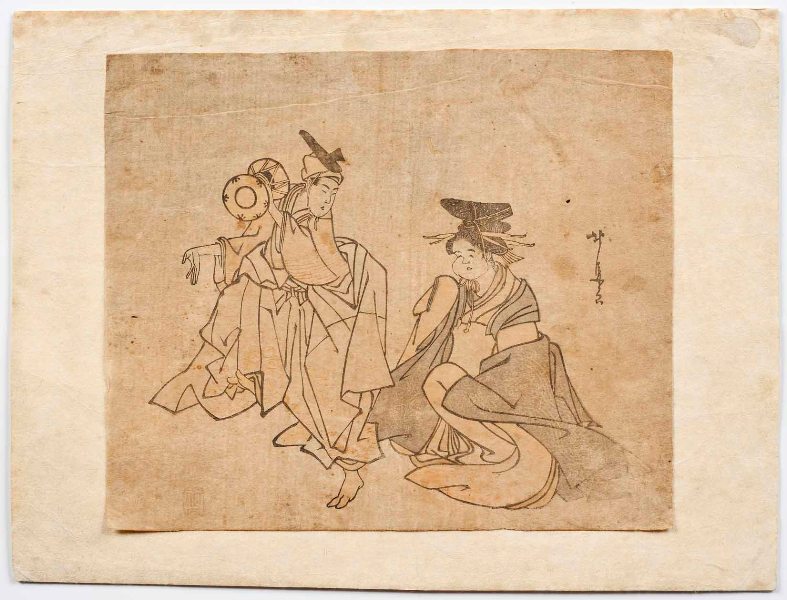
Two figure, one dancing with a little drum and the other sitting
Kokuba (1771 – 1844)
N.R. 11714
https://montserrat.sobrevia.net/arxiu_montserrat/museu/img/imgTxtGenerals/dues-figures-una-ballant-amb-un-tambori-i-l’altra-asseguda-S_1_1706.jpg
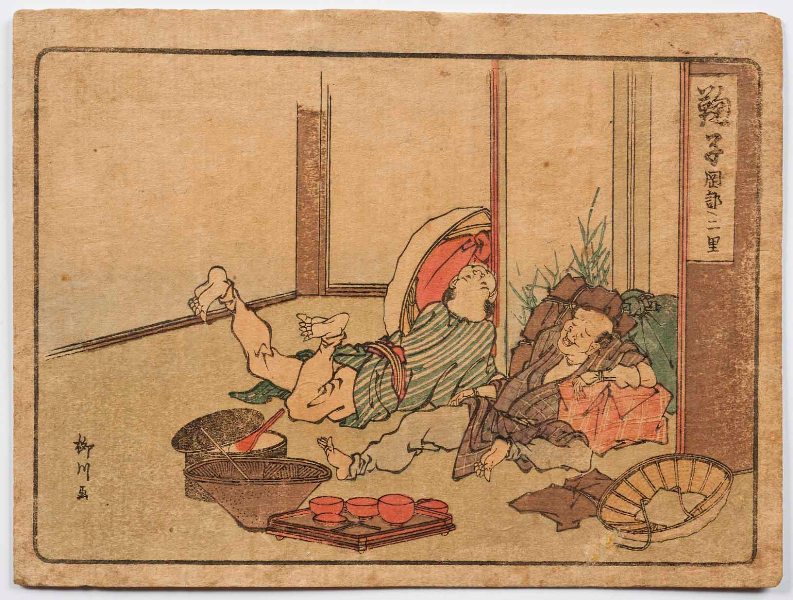
Two men indoors
Shigenobu Yanagawa (1787 – 1832)
N.R. 11713
https://montserrat.sobrevia.net/arxiu_montserrat/museu/img/imgTxtGenerals/dos-homes-en-un-interior-S_1_1705.jpg
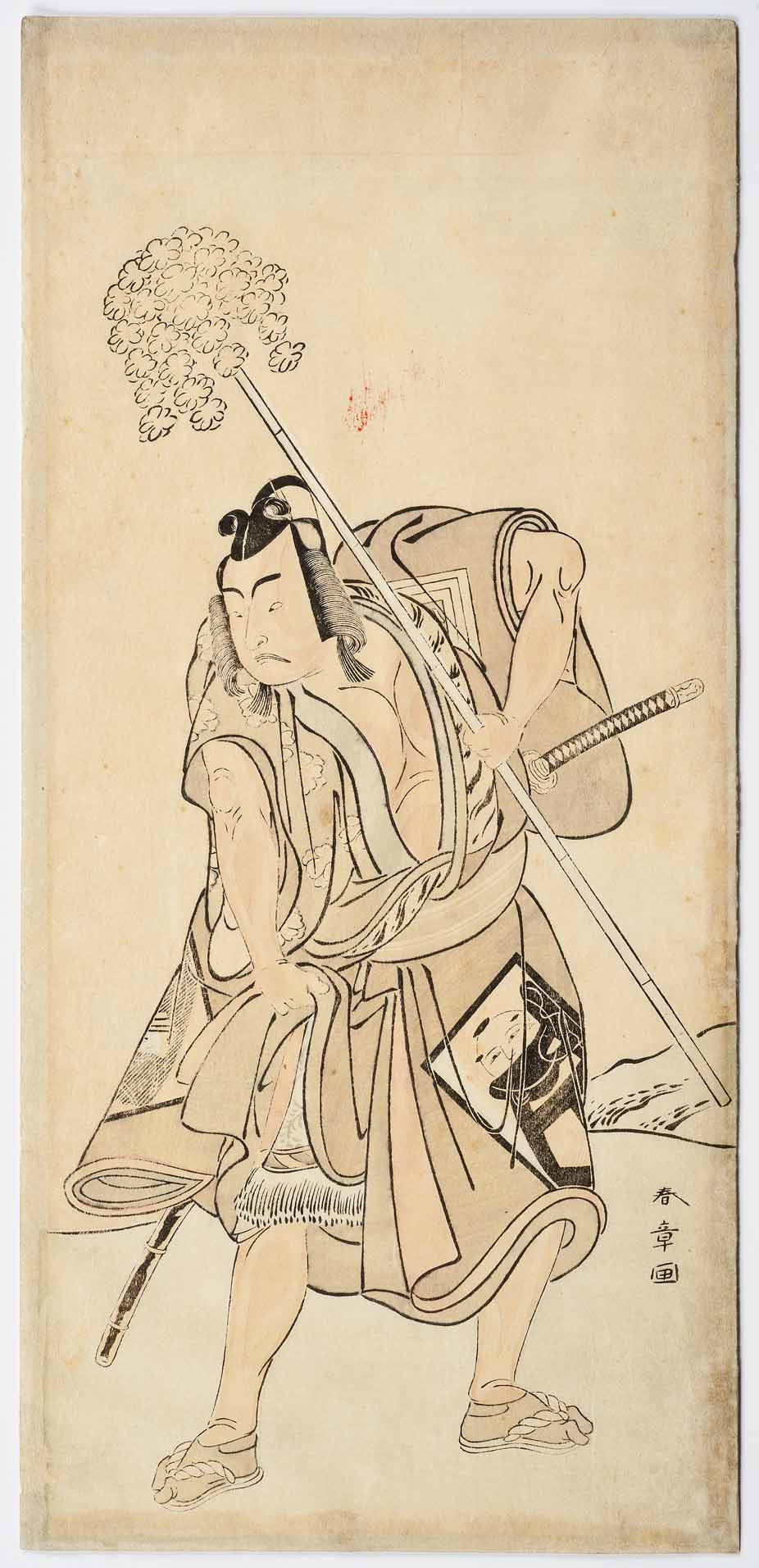
Kabuki theater actor
Katsukawa Shunsho (1726 - 1792)
N.R. 11711
https://montserrat.sobrevia.net/arxiu_montserrat/museu/img/imgTxtGenerals/actor-de-teatre-kabuki-S_1_1707.jpg
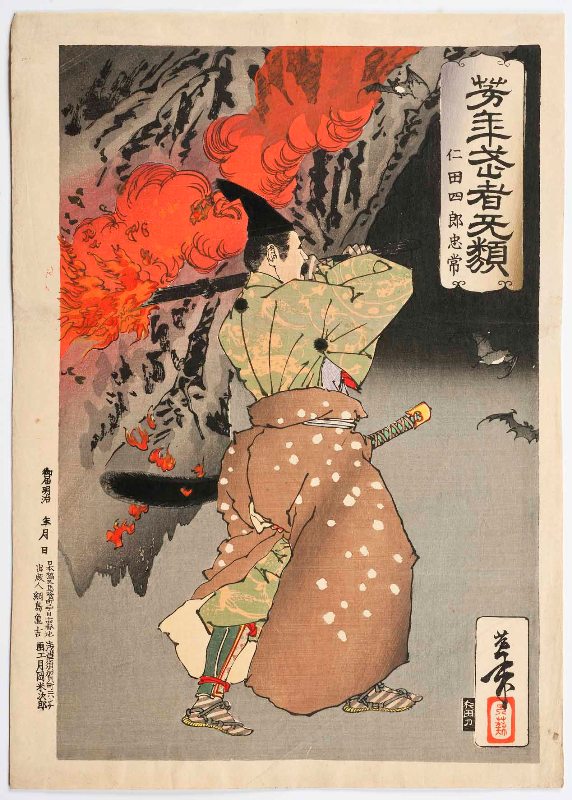
Nita Shiro warrior
Tsukioka Yoshitoshi (1839 - 1892)
N.R. 11723
https://montserrat.sobrevia.net/arxiu_montserrat/museu/img/imgTxtGenerals/guerrer-nita-shiro-S_1_1708.jpg
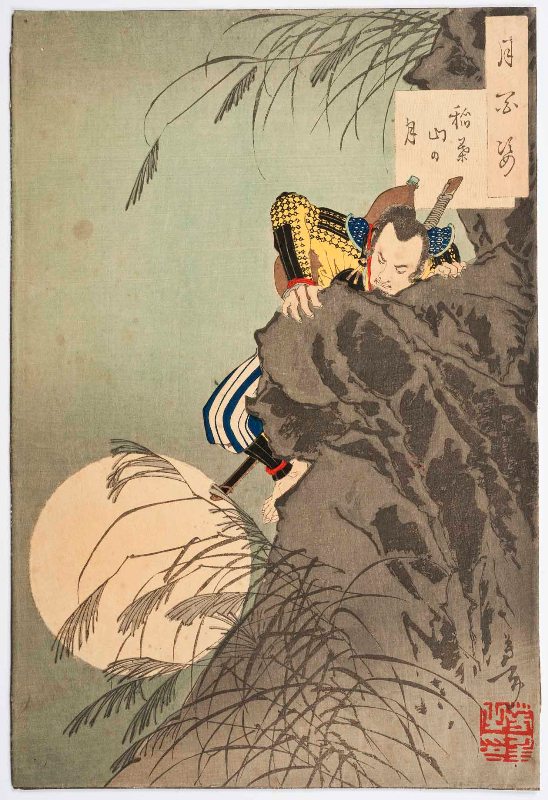
Warrior climbing up a mountain
Tsukioka Yoshitoshi (1839 - 1892)
N.R. 11722
https://montserrat.sobrevia.net/arxiu_montserrat/museu/img/imgTxtGenerals/guerrer-escalant-una-muntanya-S_1_1709.jpg
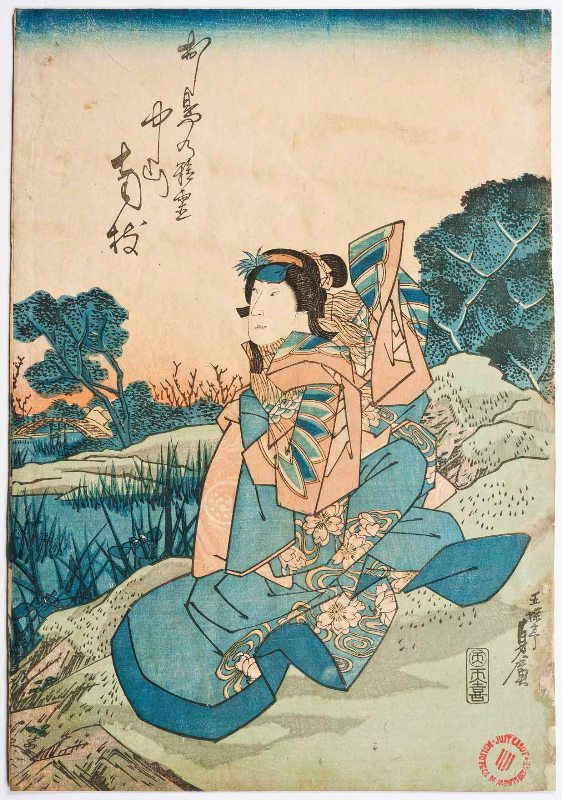
Woman in kimono
Utagawa Sadahiro (1830 - 1851)
N.R. 11721
https://montserrat.sobrevia.net/arxiu_montserrat/museu/img/imgTxtGenerals/dona-amb-kimono-S_1_1710.jpg
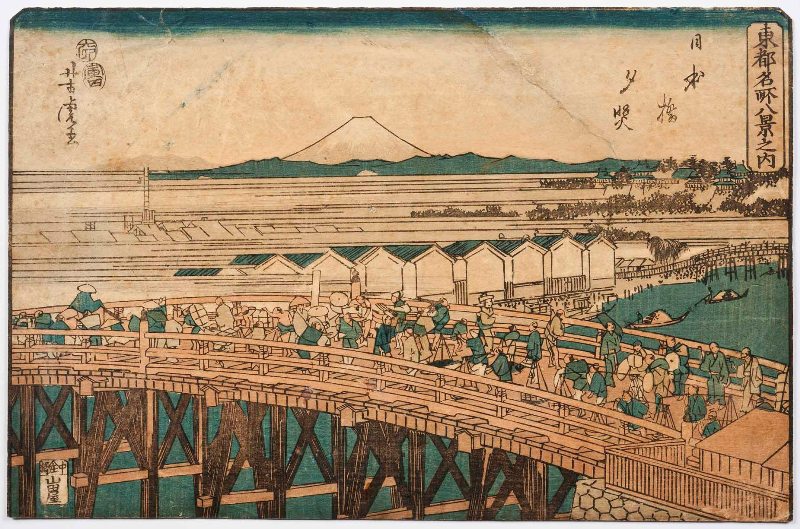
Bridge and Mount Fuji background
Utagawa Yoshitora (ca. 1836-1882)
N.R. 11718
https://montserrat.sobrevia.net/arxiu_montserrat/museu/img/imgTxtGenerals/un-pont-amb-el-mont-fuji-al-fons-S_1_1711.jpg
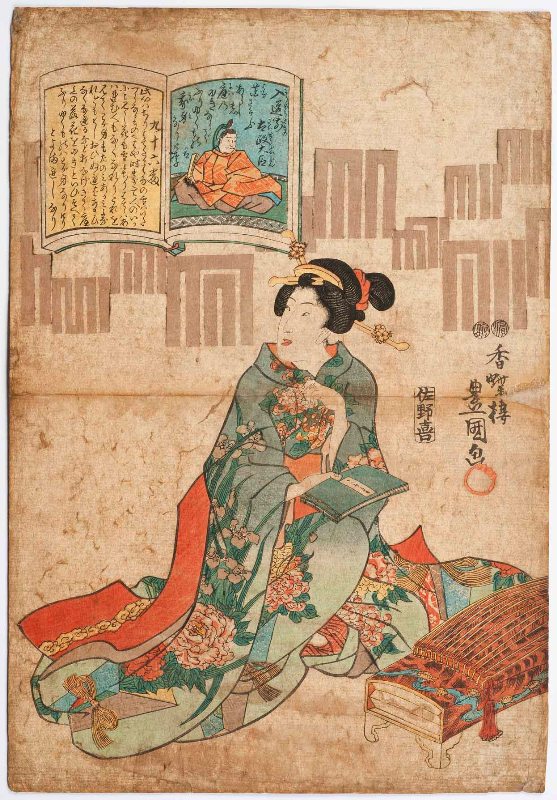
Woman reading indoors
Utagawa Toshidama
N.R. 11710
https://montserrat.sobrevia.net/arxiu_montserrat/museu/img/imgTxtGenerals/dona-llegint-en-un-interior-S_1_1712.jpg
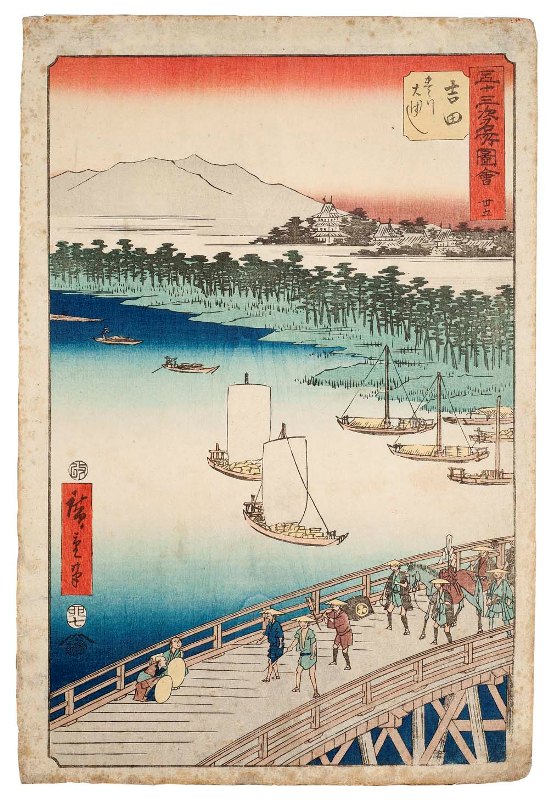
The bridge on Yoshida river
Ando Hiroshige (1797 – 1858)
N.R. 11709
https://montserrat.sobrevia.net/arxiu_montserrat/museu/img/imgTxtGenerals/el-pont-sobre-el-riu-de-yoshida-S_1_1713.jpg
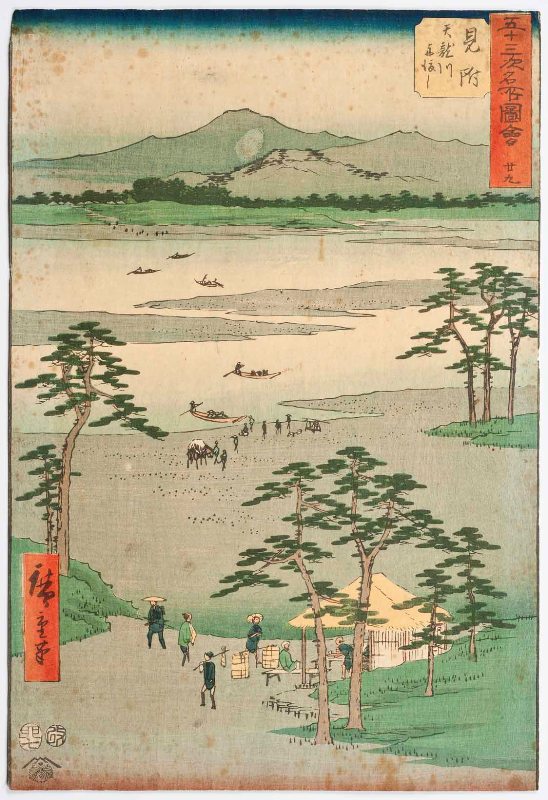
Landscape I
Ando Hiroshige (1797 – 1858)
N.R. 11720
https://montserrat.sobrevia.net/arxiu_montserrat/museu/img/imgTxtGenerals/paisatge-S_1_1714.jpg
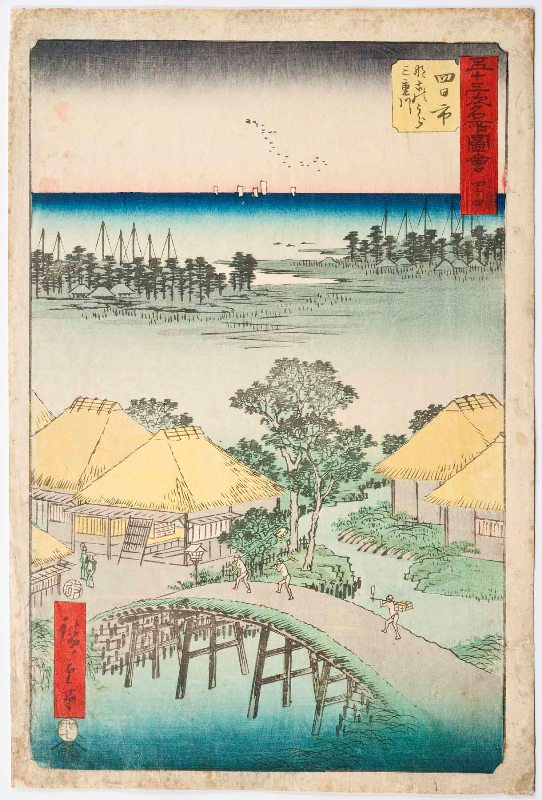
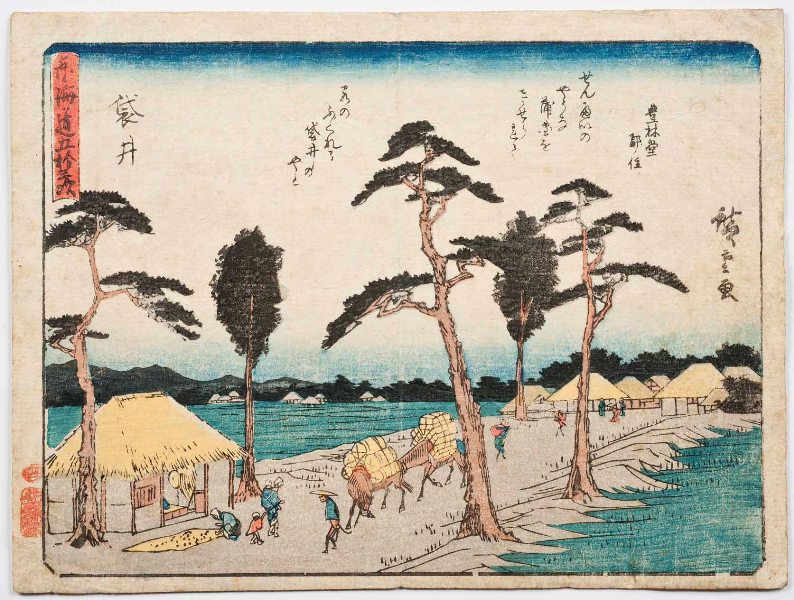
Fishermen village near the sea
Ando Hiroshige (1797 – 1858)
N.R. 11717
https://montserrat.sobrevia.net/arxiu_montserrat/museu/img/imgTxtGenerals/un-poble-de-pescadors-prop-del-mar-S_1_1715.jpg
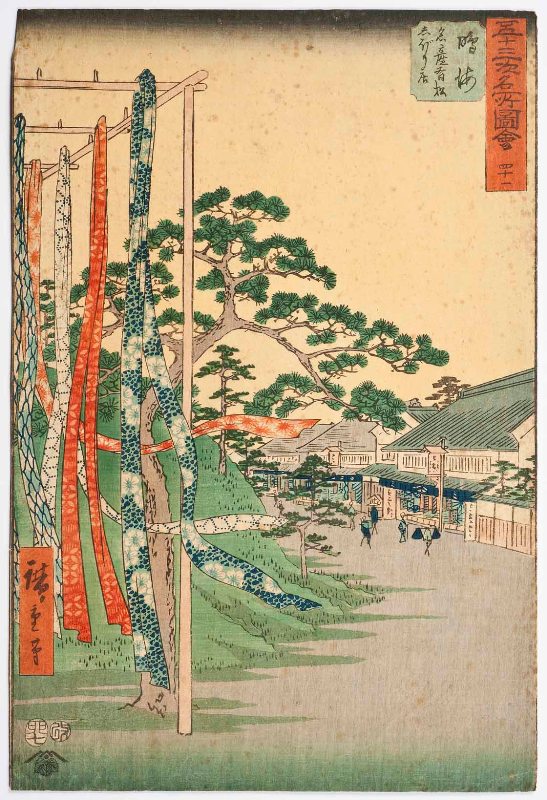
Hanging fabrics street
Ando Hiroshige (1797 – 1858)
N.R. 11719
https://montserrat.sobrevia.net/arxiu_montserrat/museu/img/imgTxtGenerals/carrer-amb-teles-penjant-S_1_1716.jpg
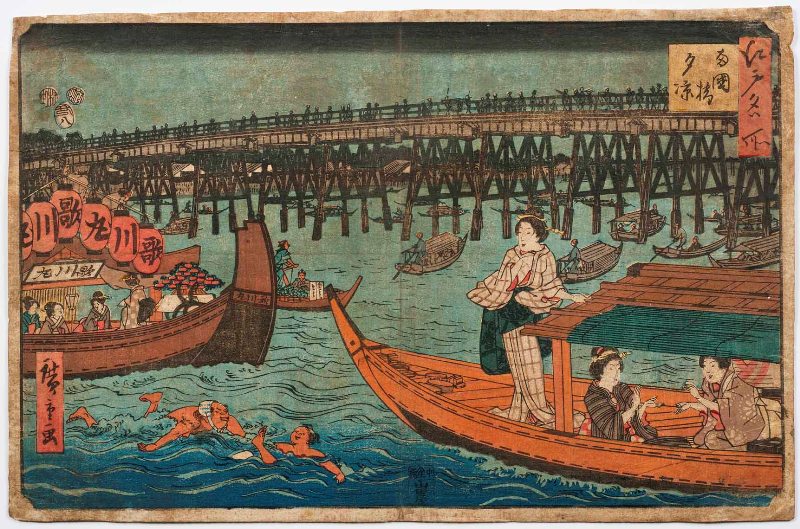
https://montserrat.sobrevia.net/arxiu_montserrat/museu/img/imgTxtGenerals/pont-de-ryogoku-S_1_1717.jpg
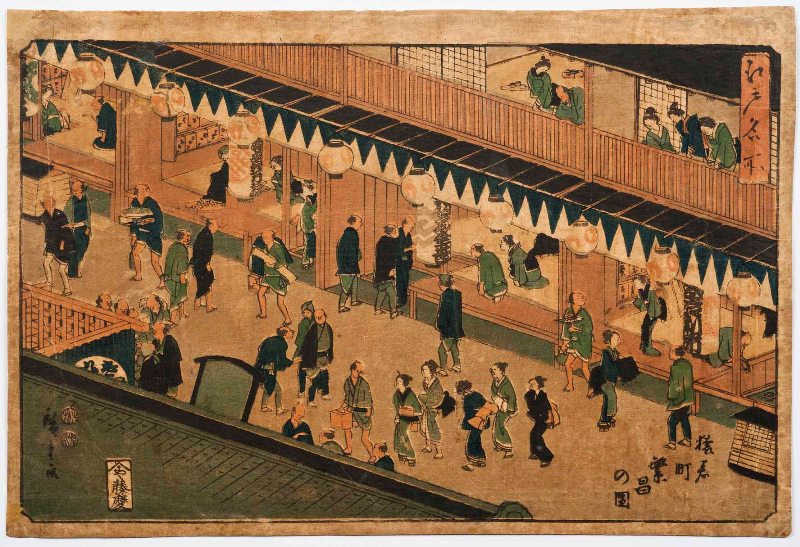
Edomeisa
Ando Hiroshige (1797 – 1858)
N.R. 11716
https://montserrat.sobrevia.net/arxiu_montserrat/museu/img/imgTxtGenerals/edomeisa-S_1_1718.jpg
Landscape II
Ando Hiroshige (1797 – 1858)
N.R. 11712
https://montserrat.sobrevia.net/arxiu_montserrat/museu/img/imgTxtGenerals/paisatge-S_1_1720.jpg
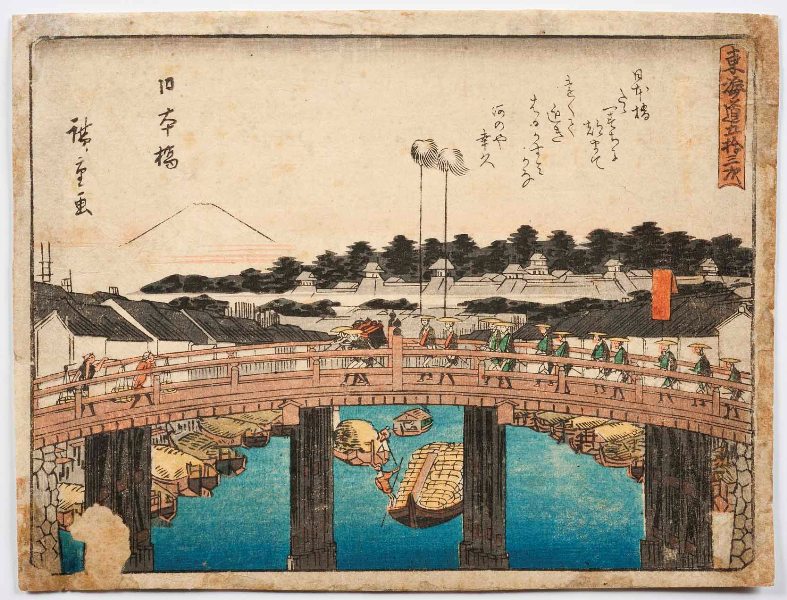
Nihonbashi
Ando Hiroshige (1797 – 1858)
N.R. 11715
https://montserrat.sobrevia.net/arxiu_montserrat/museu/img/imgTxtGenerals/nihonbashi-S_1_1719.jpg