

An Italian Mannerist work of extraordinary beauty
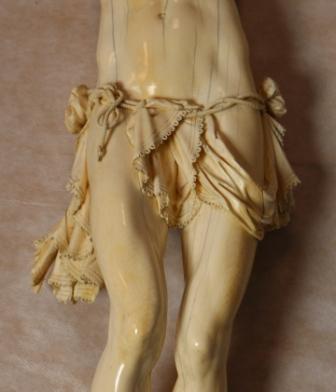
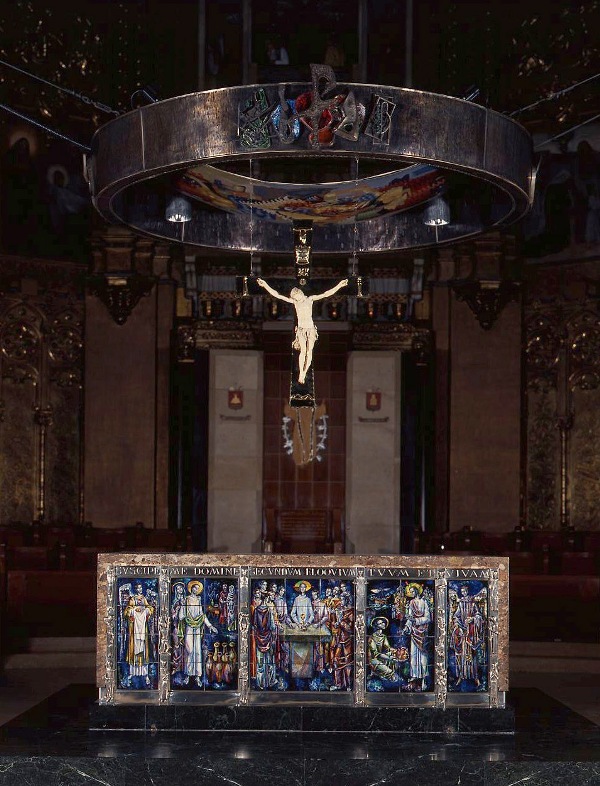
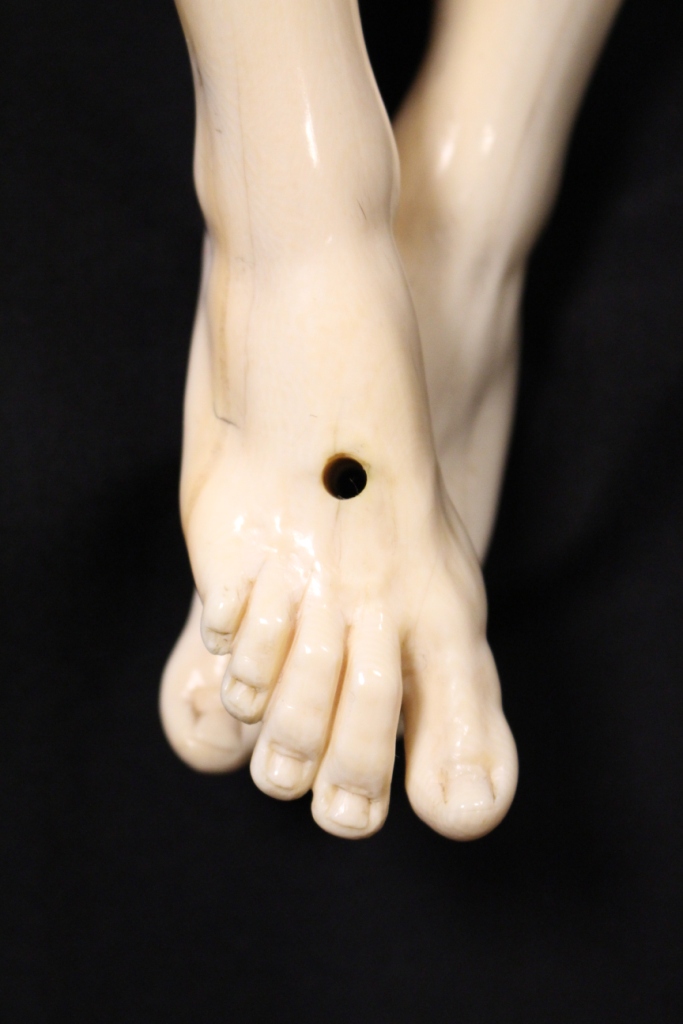
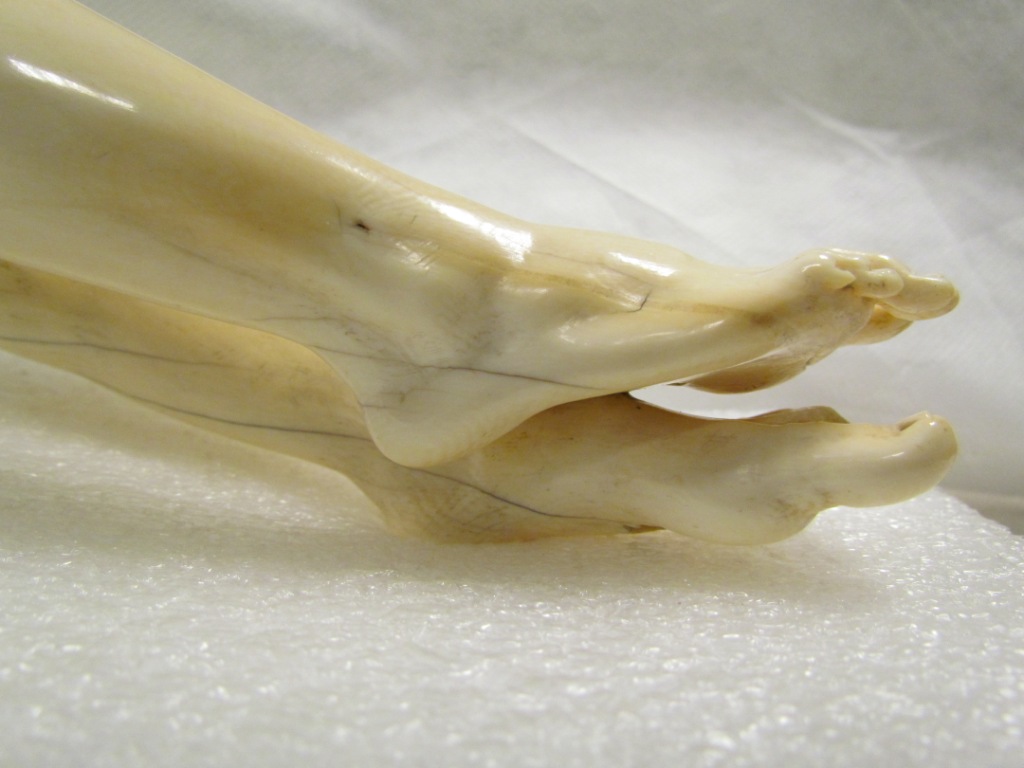
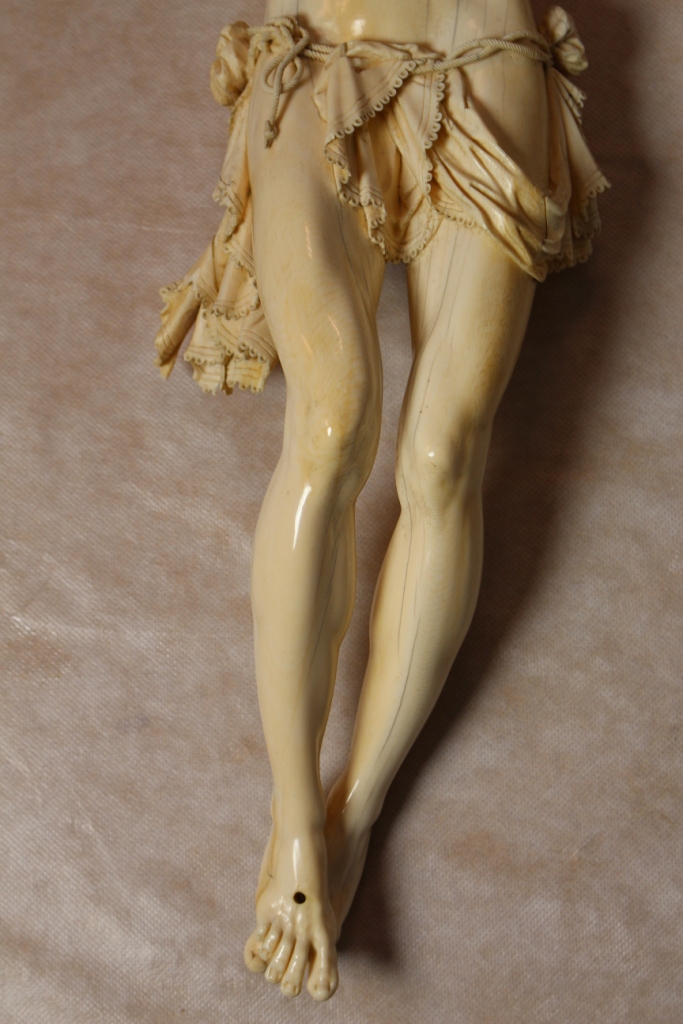
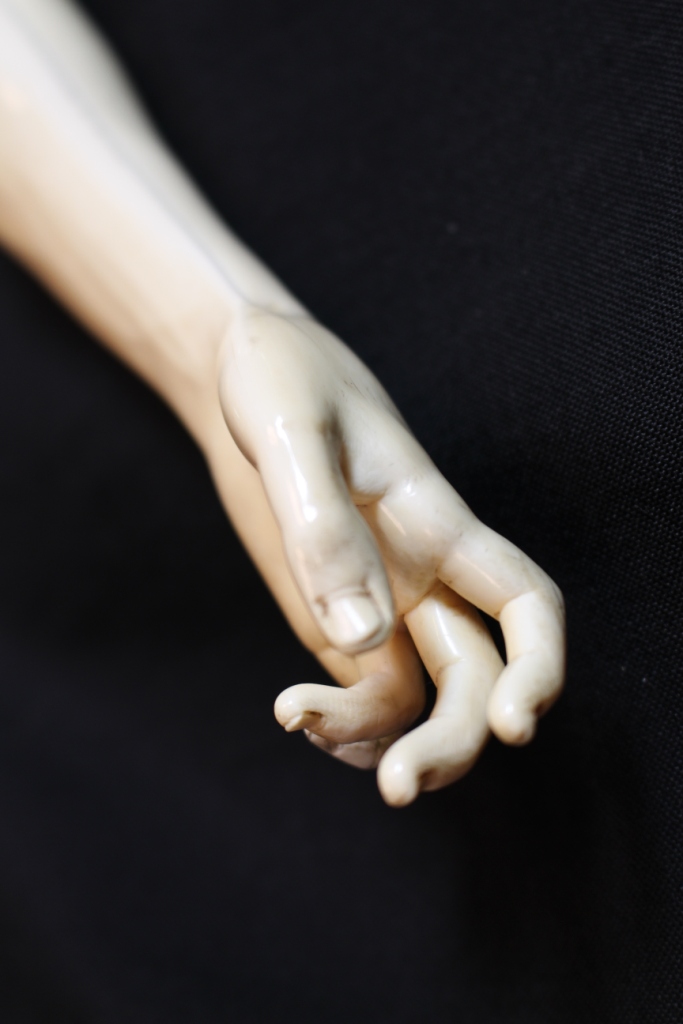
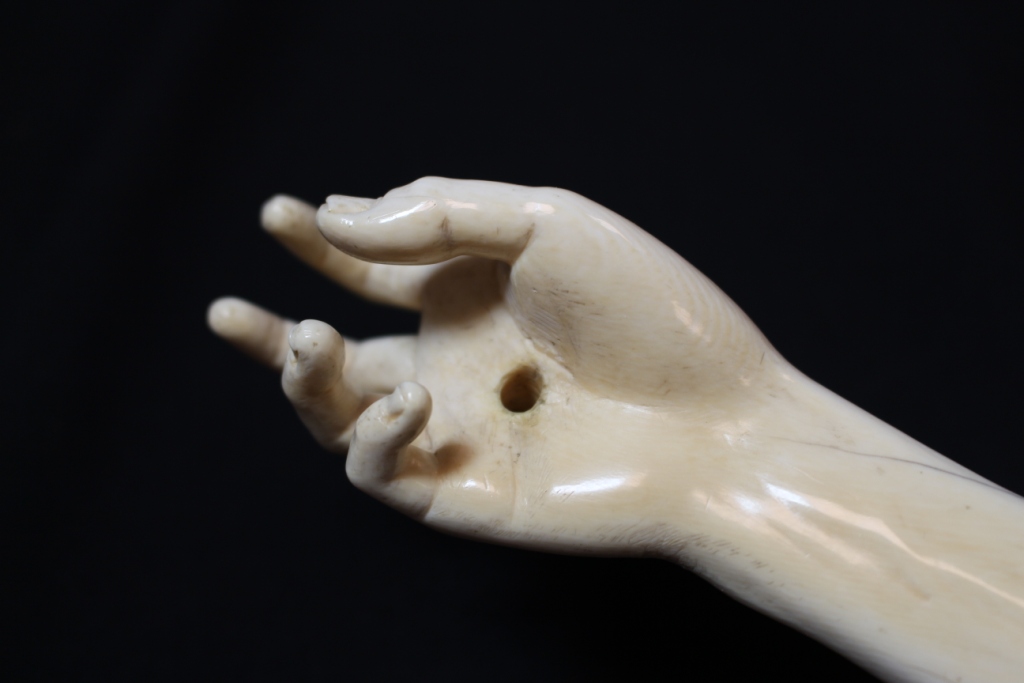
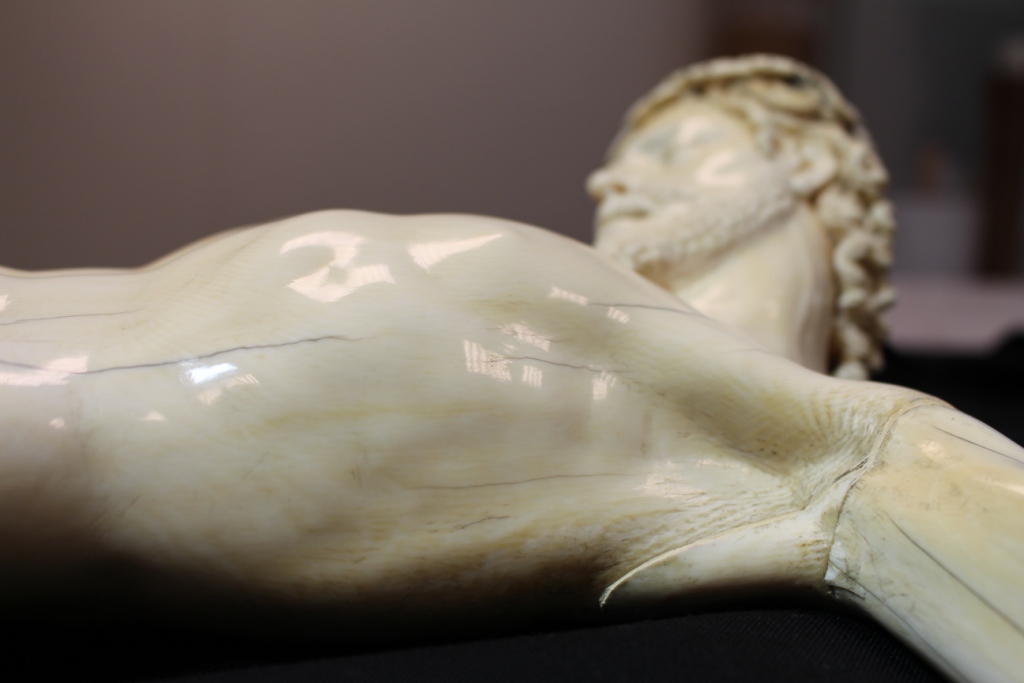
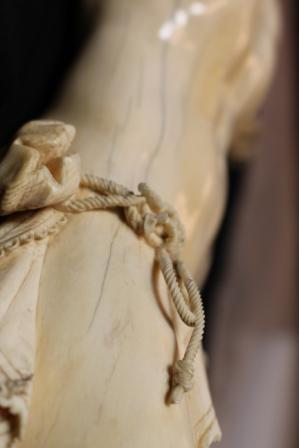
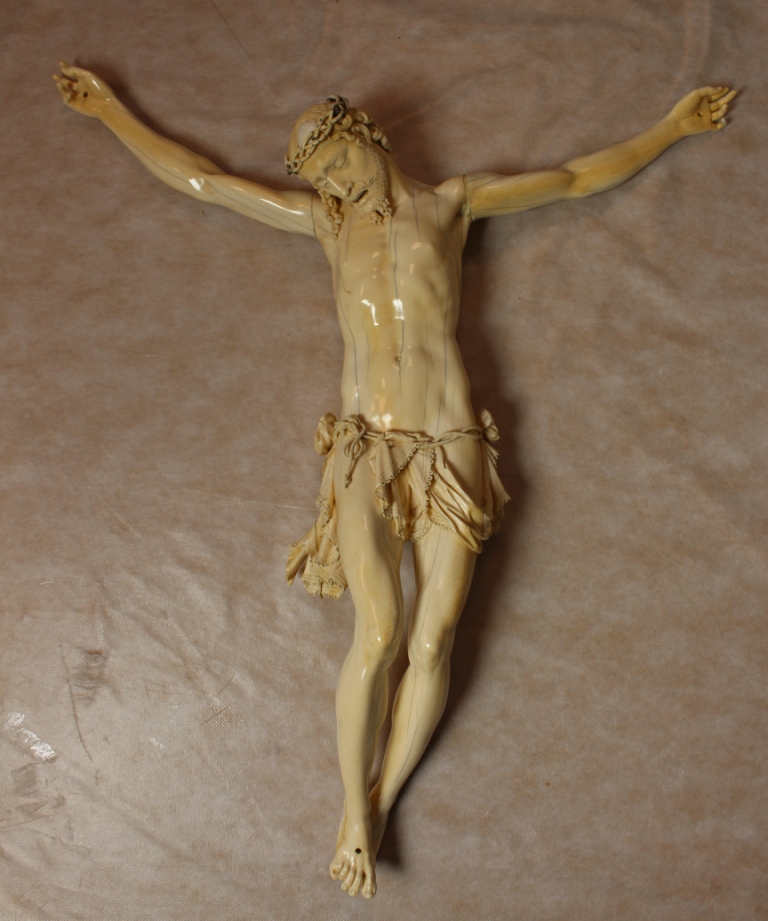
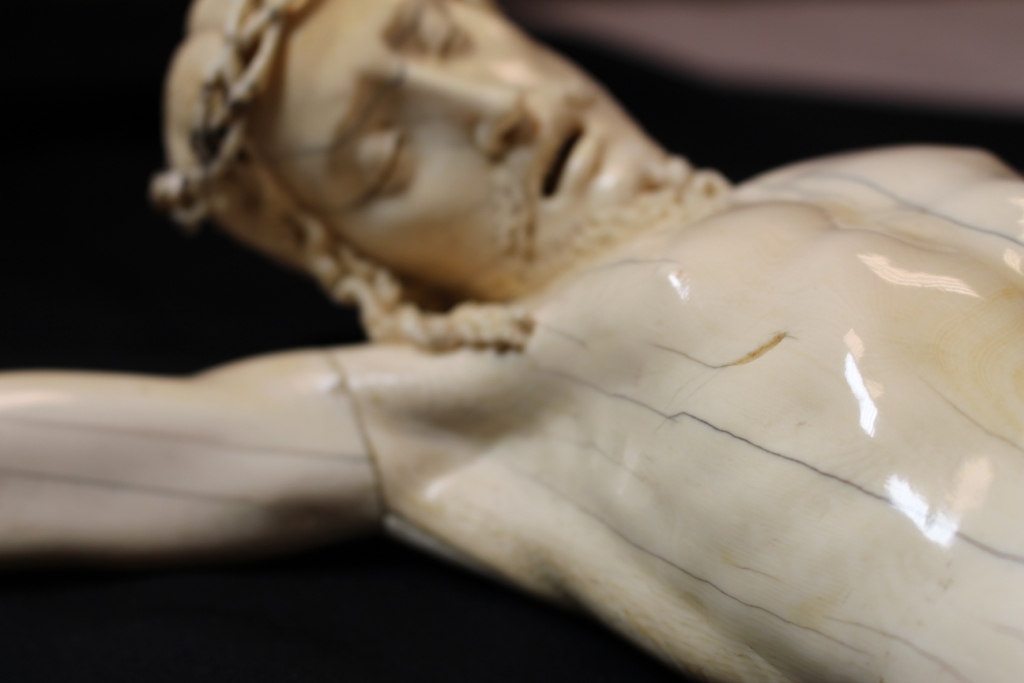
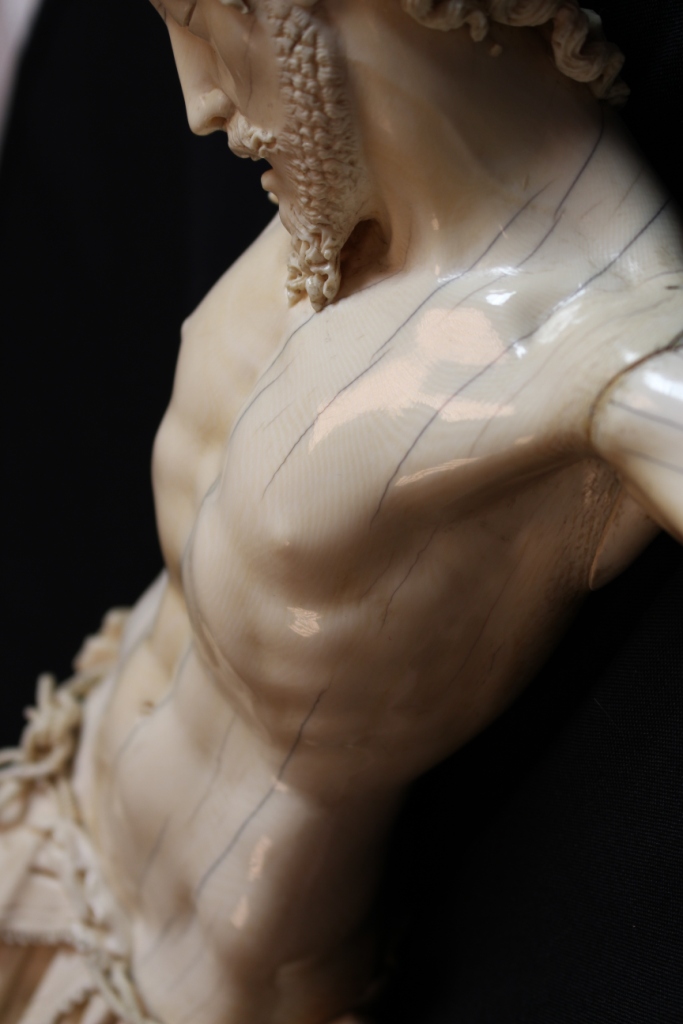
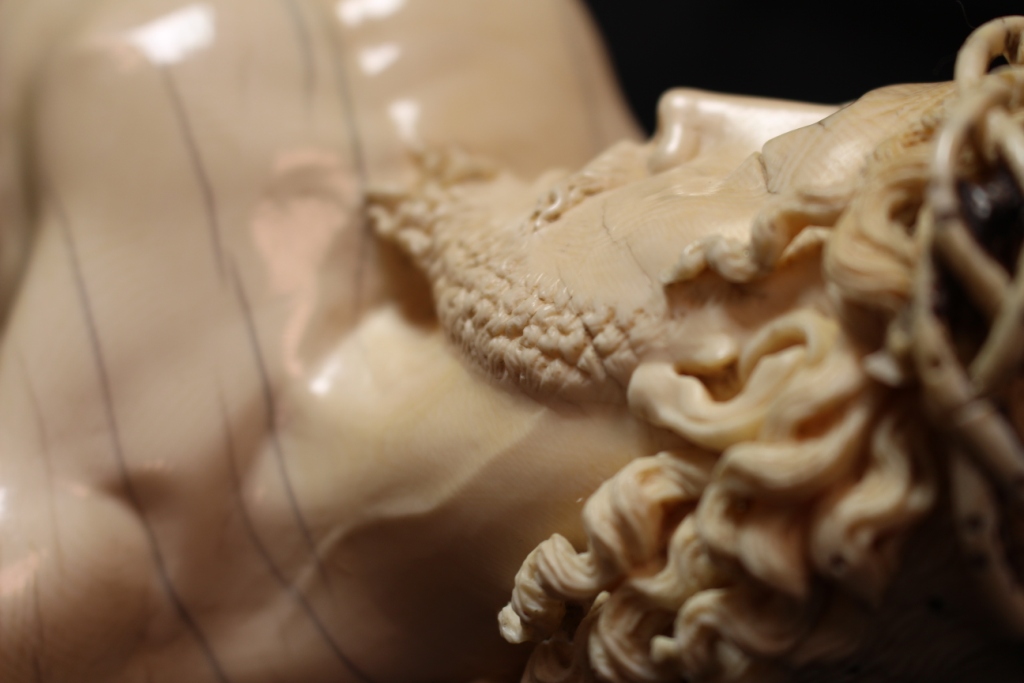
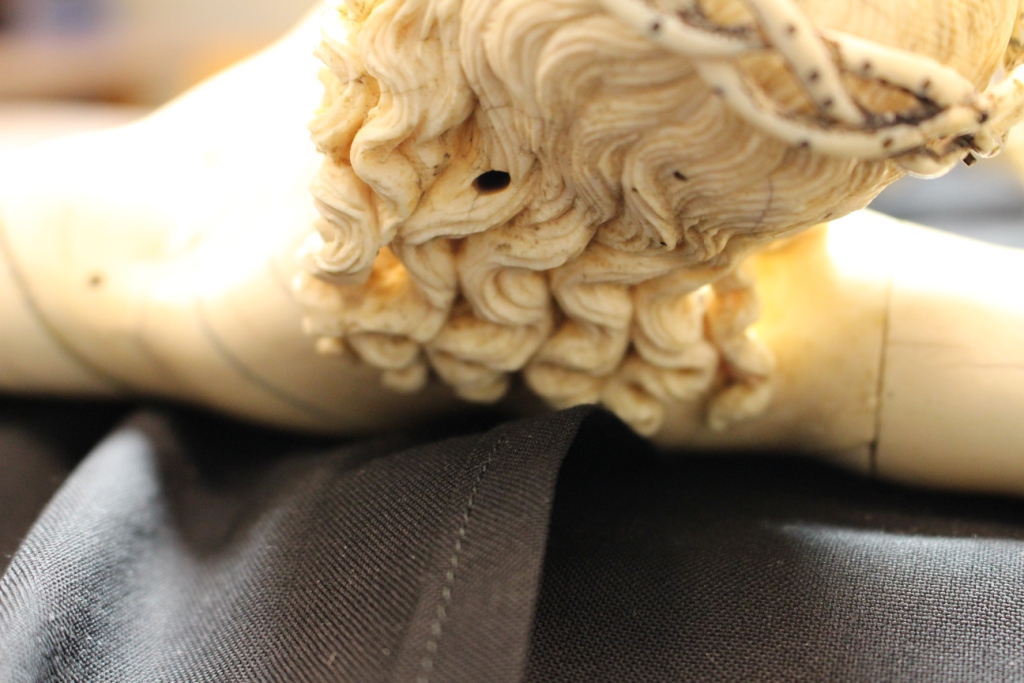
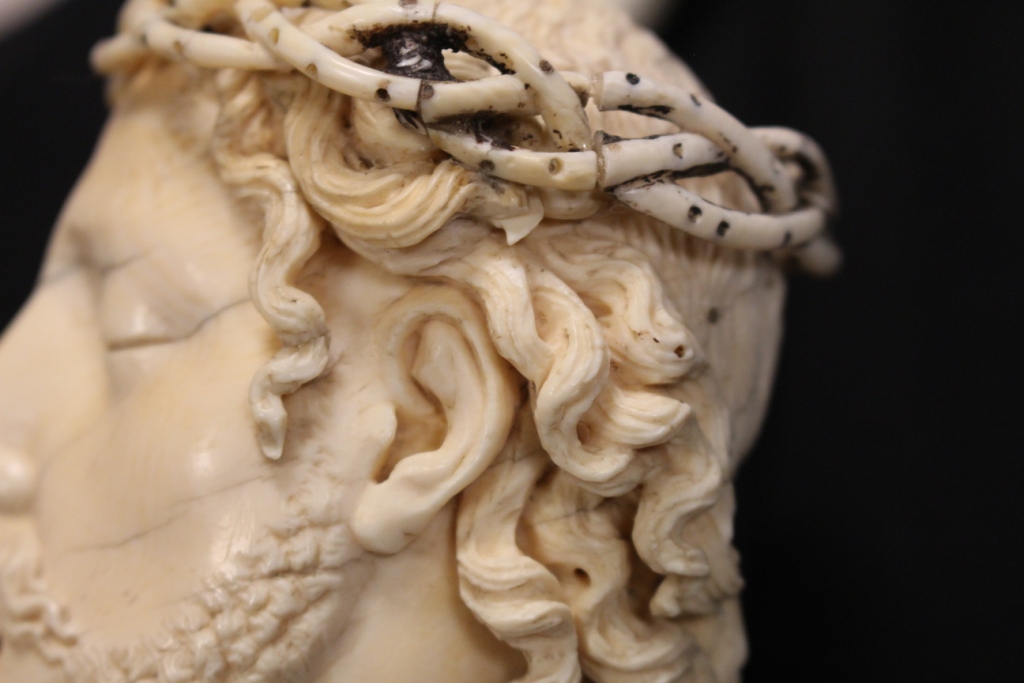
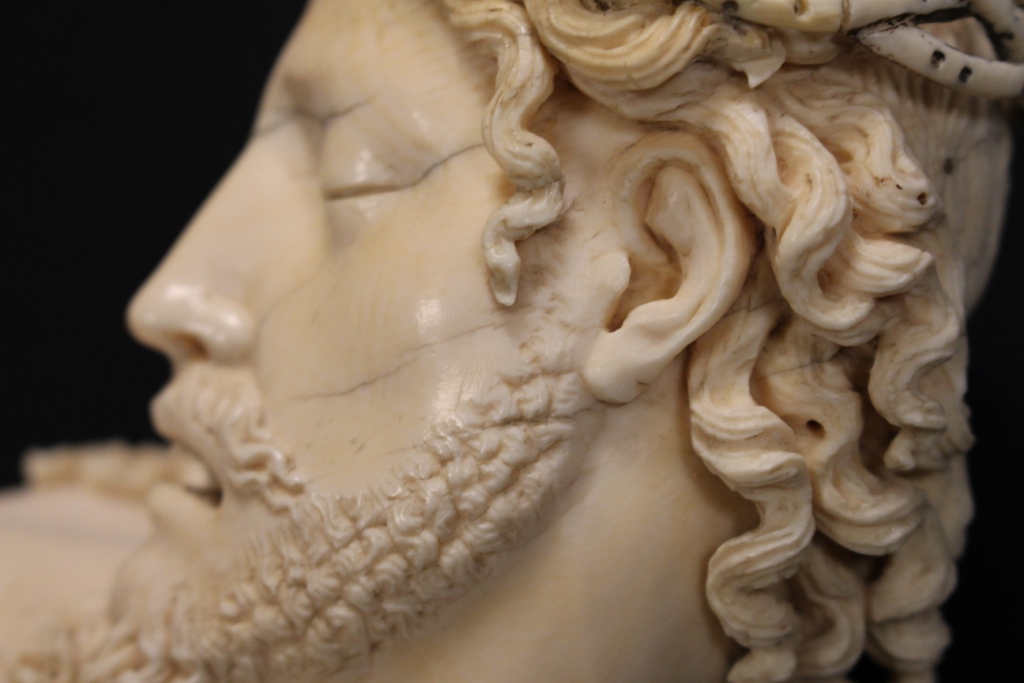
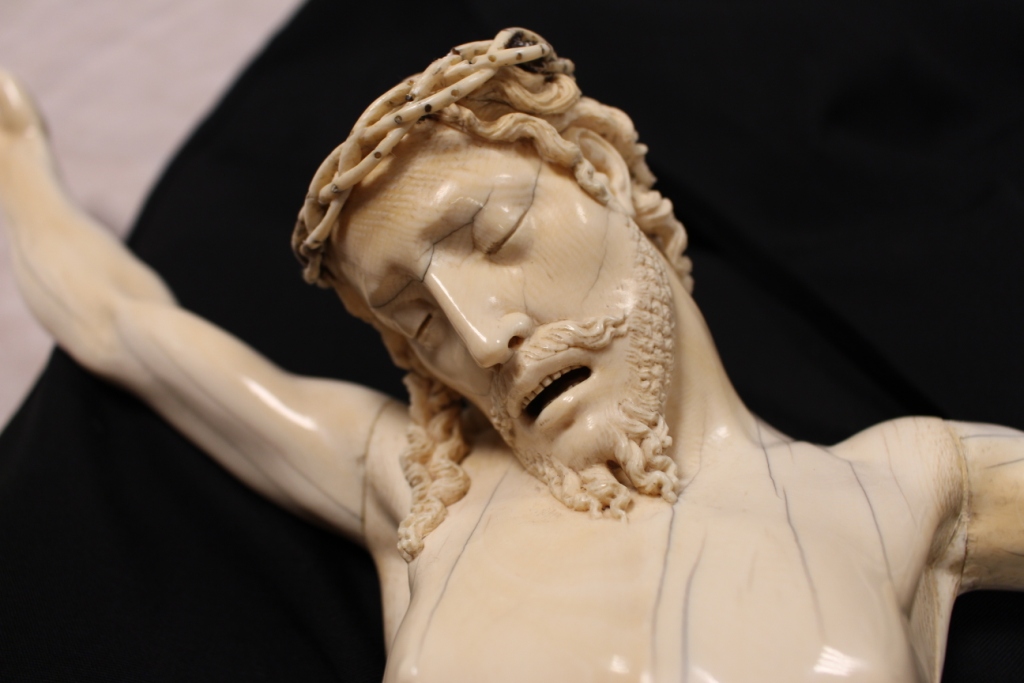
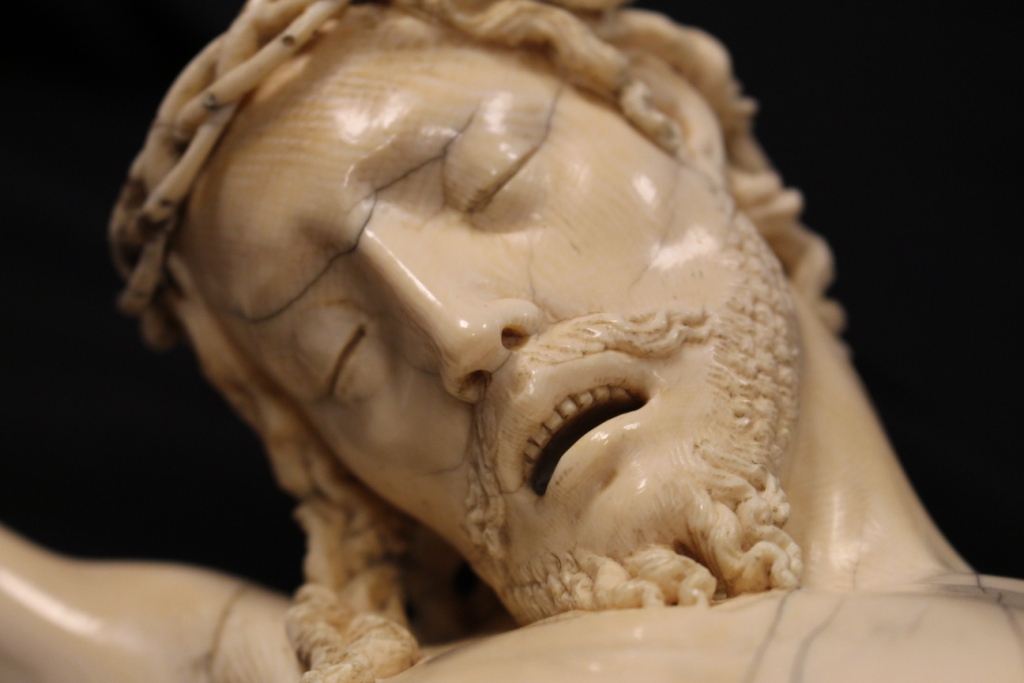
Taking advantage of the restoration and cleaning of the ivory Christ that presides over the high altar of Montserrat, we had the pleasure of taking a closer look at the sculpture and were astounded by its beauty and the quality of execution of this piece, few of which exist in our country. We knew it was an extraordinary work acquired in Rome by Abbot Antoni M. Marcet in 1920, who was told it originated from Florence. The abbot spared no effort to acquire it, intending all along for it to preside over the high altar and the prayers of the monks—the only ones who could see the piece relatively up close. Word soon spread that it could very well be a work by the Florentine sculptor Ghiberti. Over time, however, this opinion lost credibility. In 2006, Anscari-Manuel Mundó, who was the nephew of Abbot Marcet, wrote an entire book attempting to prove, through its resemblance to the famous Pietà, that the Montserrat Christ could be a work by Michelangelo Buonarroti. This hypothesis did not gain favorable acceptance among Italian Renaissance specialists. Some of them have offered us the opinion that it is a magnificent work, possibly Florentine, but dating to around a hundred years later. This would place it at the beginning of the 17th century, on the threshold of the Baroque era, yet with Mannerist virtuosity and illusionism. In any case, we believe it is a work of the highest caliber, rare in Catalonia. For these reasons, we want to share with you the emotion we felt upon examining this piece with a magnifying glass and a critical eye.
We still keep the black ebony cross with which this work was acquired, but with the renovation of the presbytery of Montserrat in 1959, it was replaced by a goldsmith's cross made of gold plate and semi-precious stones, funded by the College of Physicians of Catalonia and crafted by the goldsmith Manuel Capdevila. It is in this form that millions of visitors and pilgrims to Montserrat have always seen this Holy Christ presiding over the high altar, albeit from a distance. Now we wish to show it to you in fine detail.
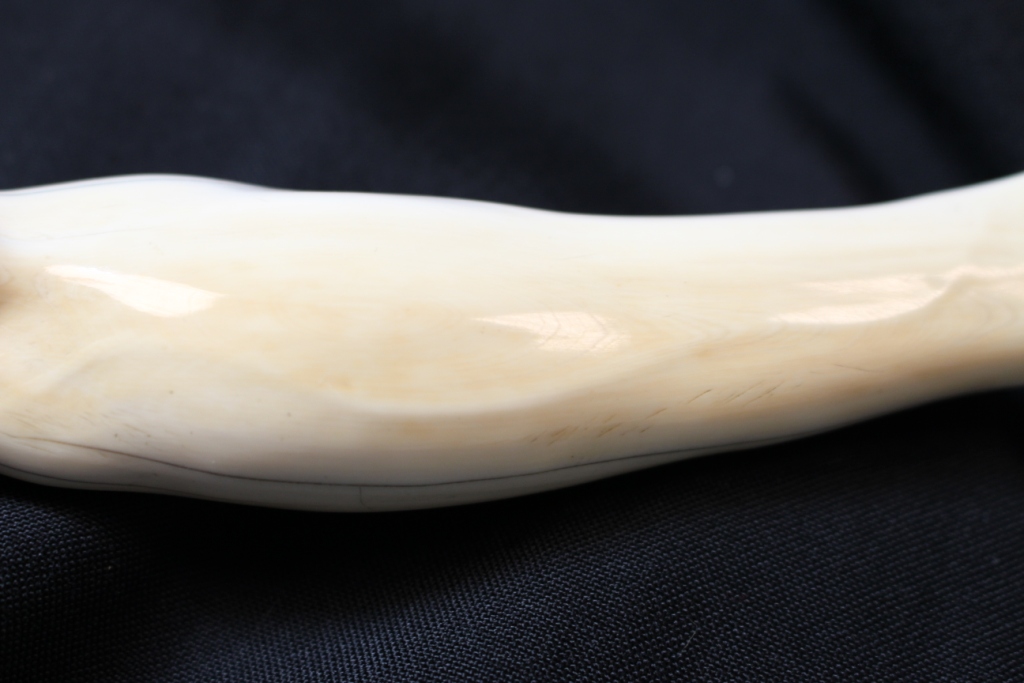
These eighteen images allow us to appreciate the artistic quality of this ivory figure, but we believe the aesthetic emotion produced by direct, close-up access to the piece is impossible to convey fully. Art holds such mysteries. A work of art is what it is, but perception depends greatly on the subject looking at it and how they look at it. We hope that contemplating this Christ of the high altar of Montserrat has been enjoyable for you and has inspired a wealth of reflections and feelings.
Josep de C. Laplana / Bernat Puigdollers
Modal title
Modal text