In the 5th century BC, Herodotus considered the Egyptians to be the most religious people in the world, having been impressed by the complexity of deities, cults, myths, and rites he observed in the country. These religious beliefs must have seemed incomprehensible to him.
Everything in Ancient Egypt revolved around the gods, who were held responsible for whatever happened, whether good or bad.
Deities were connected with and personified natural forces, often undergoing changes and associations among themselves that gave rise to a new god through the fusion of functions.
From this multiplicity of powers resulted a tremendously vast and complex pantheon, almost boundless, where local deities predominated and where the strange, semi-human, or semi-animal appearance of many gods was the norm.
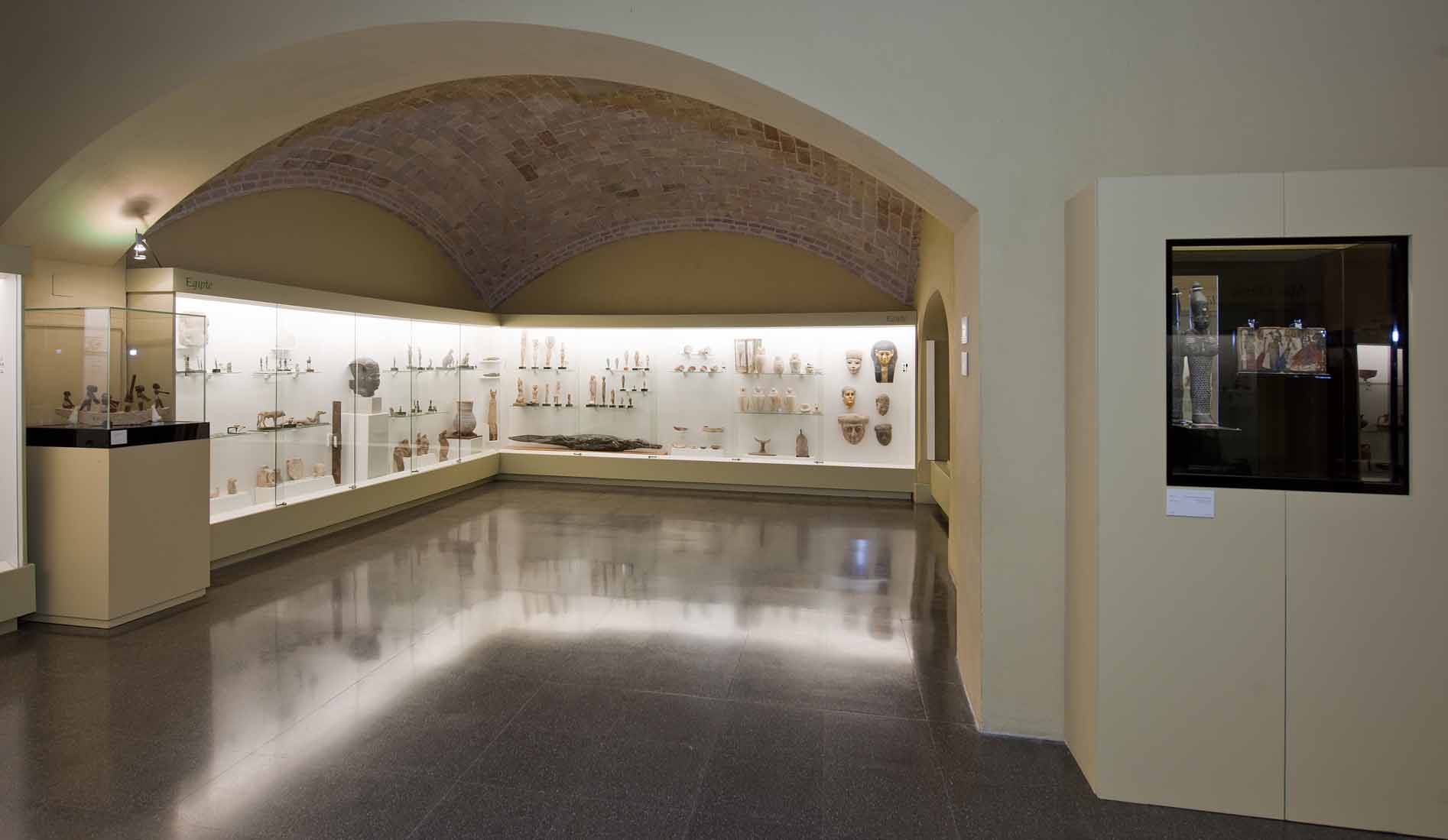
The archaeological collection of the Museum of Montserrat related to Ancient Egypt is filled with funerary grave goods dominated by figures of deities crafted in bronze, wood, or faience, as well as vessels and other objects where the depiction of gods is prominently featured. Together, they serve as a fine example of this extensive pantheon and the profound religiosity of this ancient civilization.
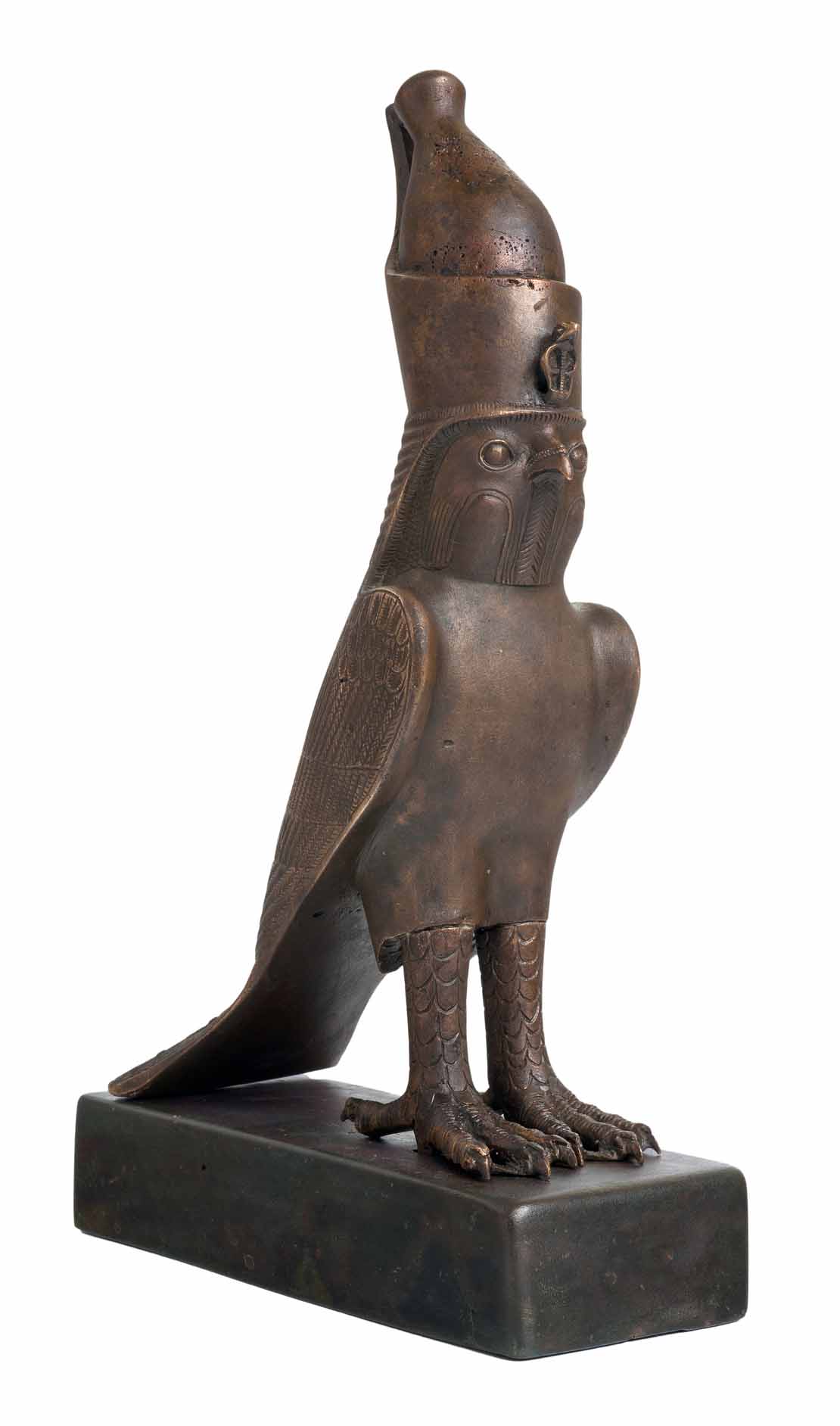
Horus
Bronze
23 cm
Late Period (715-332 b.C)
N.R. MDM 19
https://montserrat.sobrevia.net/arxiu_montserrat/museu/img/imgTxtGenerals/horus-S_1_1835.jpg
Egyptian collection of the Museum de Montserrat
https://montserrat.sobrevia.net/arxiu_montserrat/museu/img/imgTxtGenerals/vista-de-la-sala-on-sexposa-la-colleccio-egipcia-S_1_1841.jpg
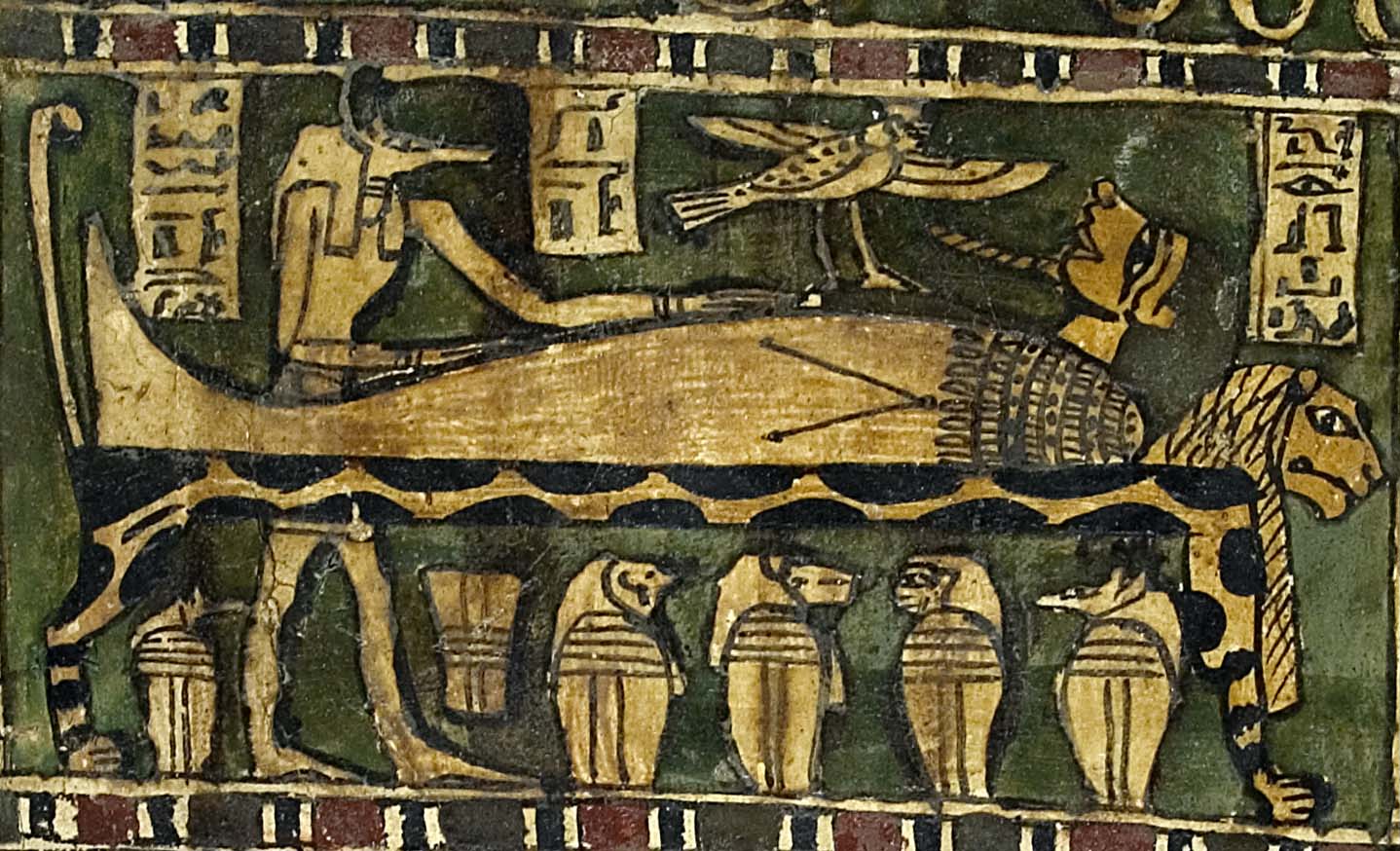
Sarcophagus of a man
Painted wood
186 x 43 x 33 cm
Ptolemaic Period (332 – 30 b.C.)
N.R. 620.203
https://montserrat.sobrevia.net/arxiu_montserrat/museu/img/imgTxtGenerals/sarcofag-dhome-S_1_1840.jpg
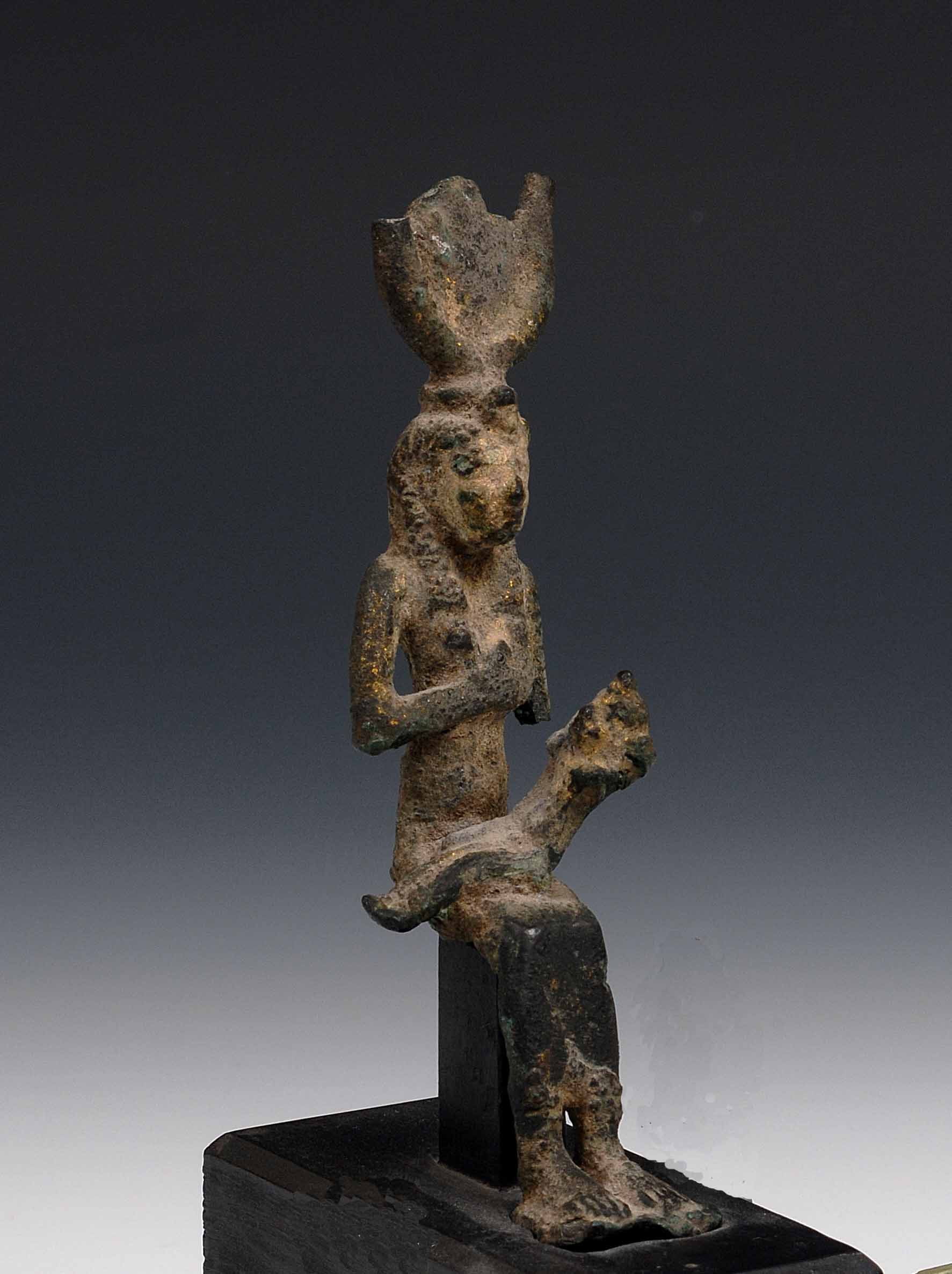
Isis nursing Horus
Bronze
9,5 cm
Late Period(715-332 b.C.)
N.R. 530.151
https://montserrat.sobrevia.net/arxiu_montserrat/museu/img/imgTxtGenerals/isis-alletant-horus-S_1_1839.jpg
Crocodile mummy
193 cm
Late Period (715-332 b.C.)
N.R. 621.301
https://montserrat.sobrevia.net/arxiu_montserrat/museu/img/imgTxtGenerals/momia-de-cocodril-S_1_1838.jpg
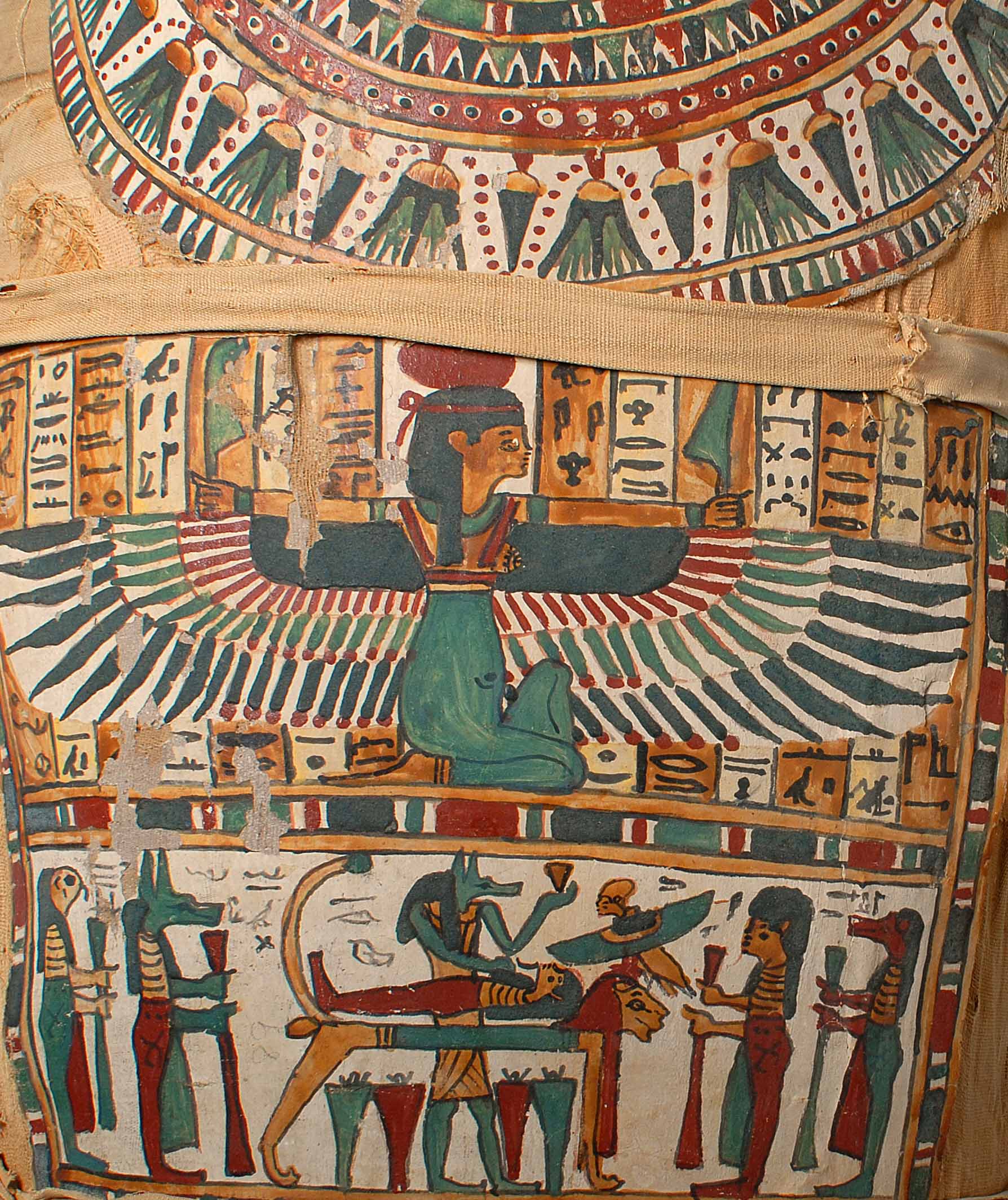
Mummy cartonnage
Polychrome cartonnage
Ptolemaic Period (305-30 b.C.)
N.R. 621.001
https://montserrat.sobrevia.net/arxiu_montserrat/museu/img/imgTxtGenerals/plantilla-de-cartronatge-de-la-momia-humana-S_1_1837.jpg
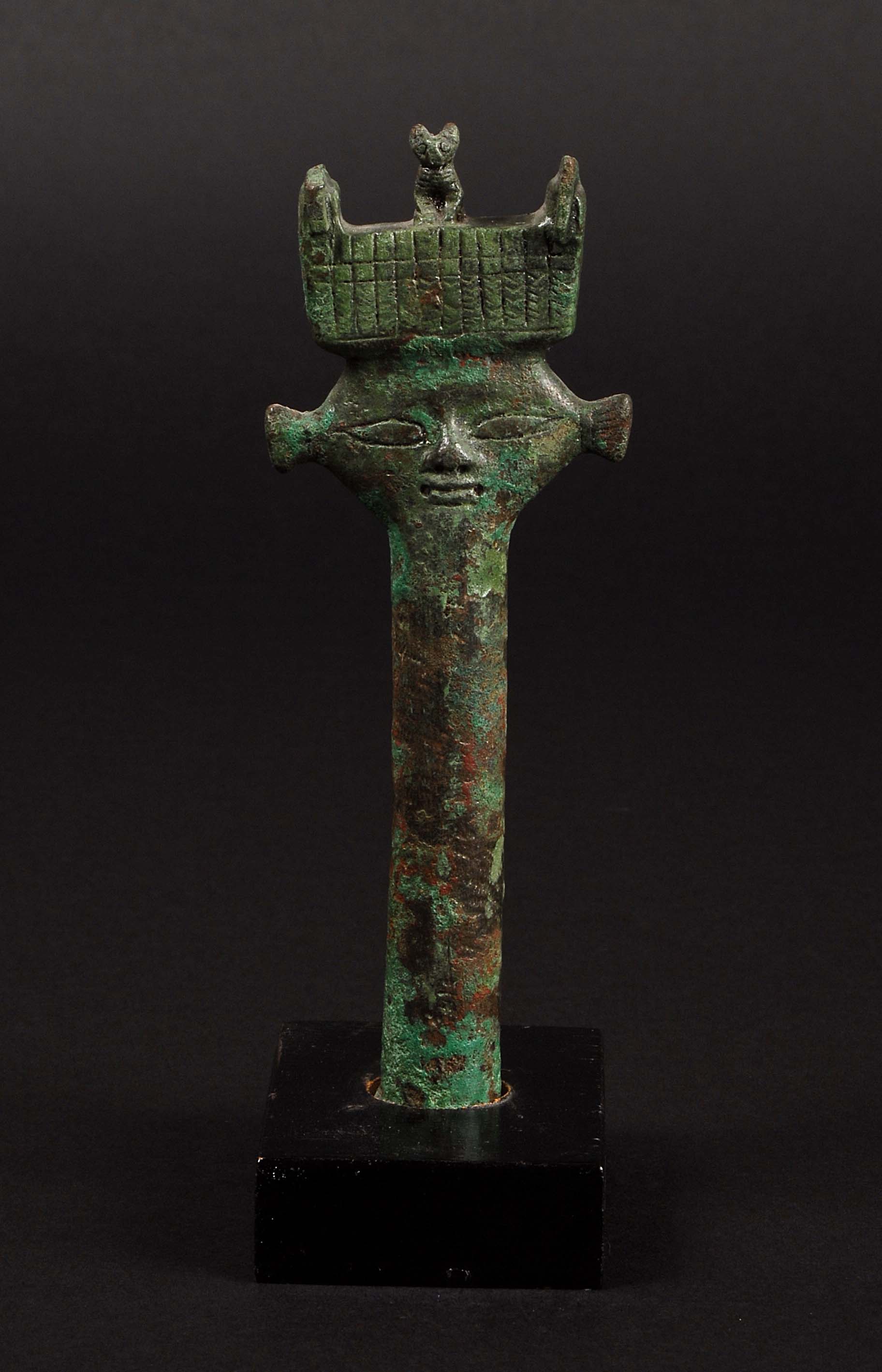
Sistrum with head of Hathor
Bronze
12,2 cm
Late Period (715-332 b.C.)
N.R. 530.311
https://montserrat.sobrevia.net/arxiu_montserrat/museu/img/imgTxtGenerals/manec-de-sistre-en-forma-de-hathor-S_1_1836.jpg
Polychrome wood
51,5 cm
Late Period (715-332 b.C.)
N.R. 530.001
https://montserrat.sobrevia.net/arxiu_montserrat/museu/img/imgTxtGenerals/osiris-S_1_1834.jpg
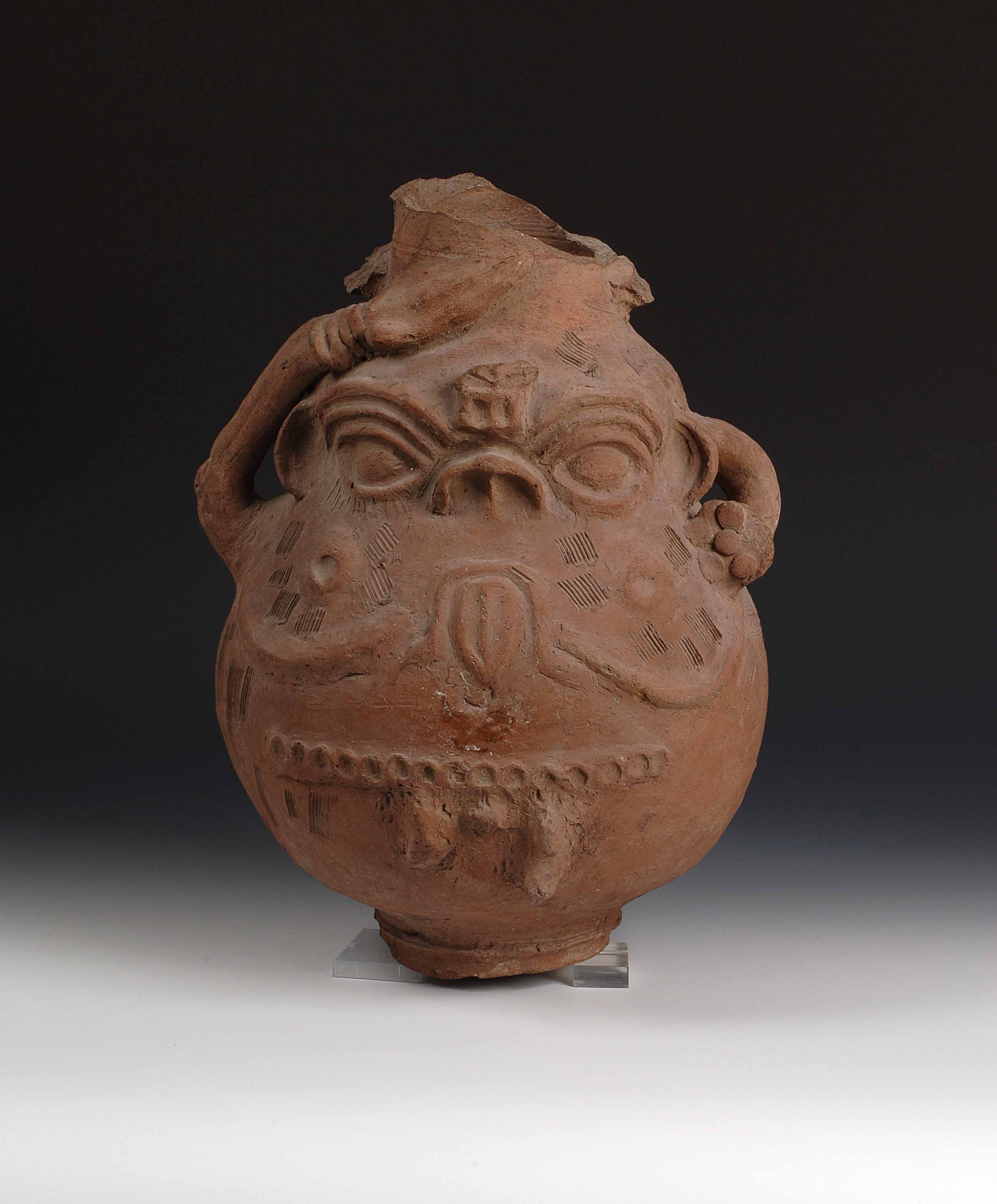
Vessel in Bes form
Ceramic
38,5 cm
Late Period (715-332 b.C.)
N.R. 822.001
https://montserrat.sobrevia.net/arxiu_montserrat/museu/img/imgTxtGenerals/vas-amb-figura-de-bes-S_1_1833.jpg
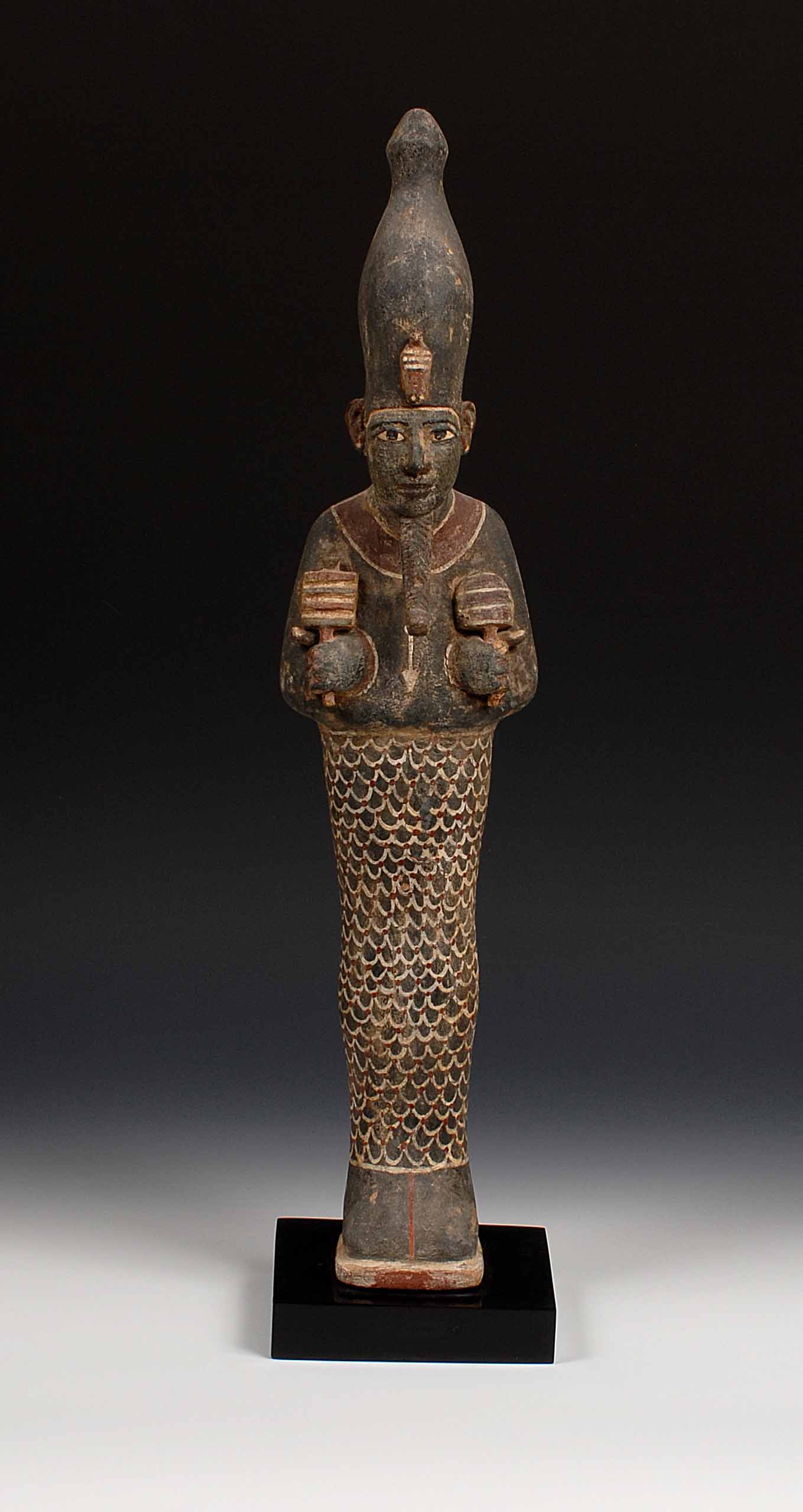
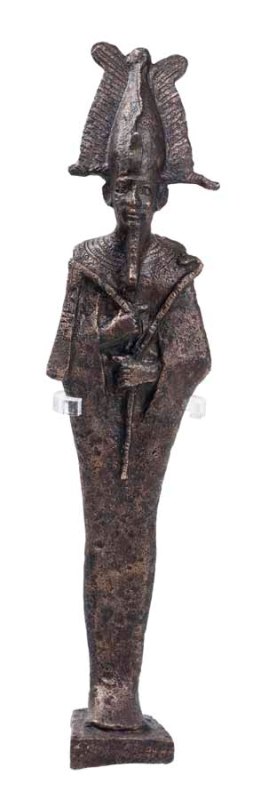
Osiris
Bronze
22 cm
Ptolemaic Period (305-30 b.C.)
N.R. 530.005
https://montserrat.sobrevia.net/arxiu_montserrat/museu/img/imgTxtGenerals/osiris-S_1_1842.jpg
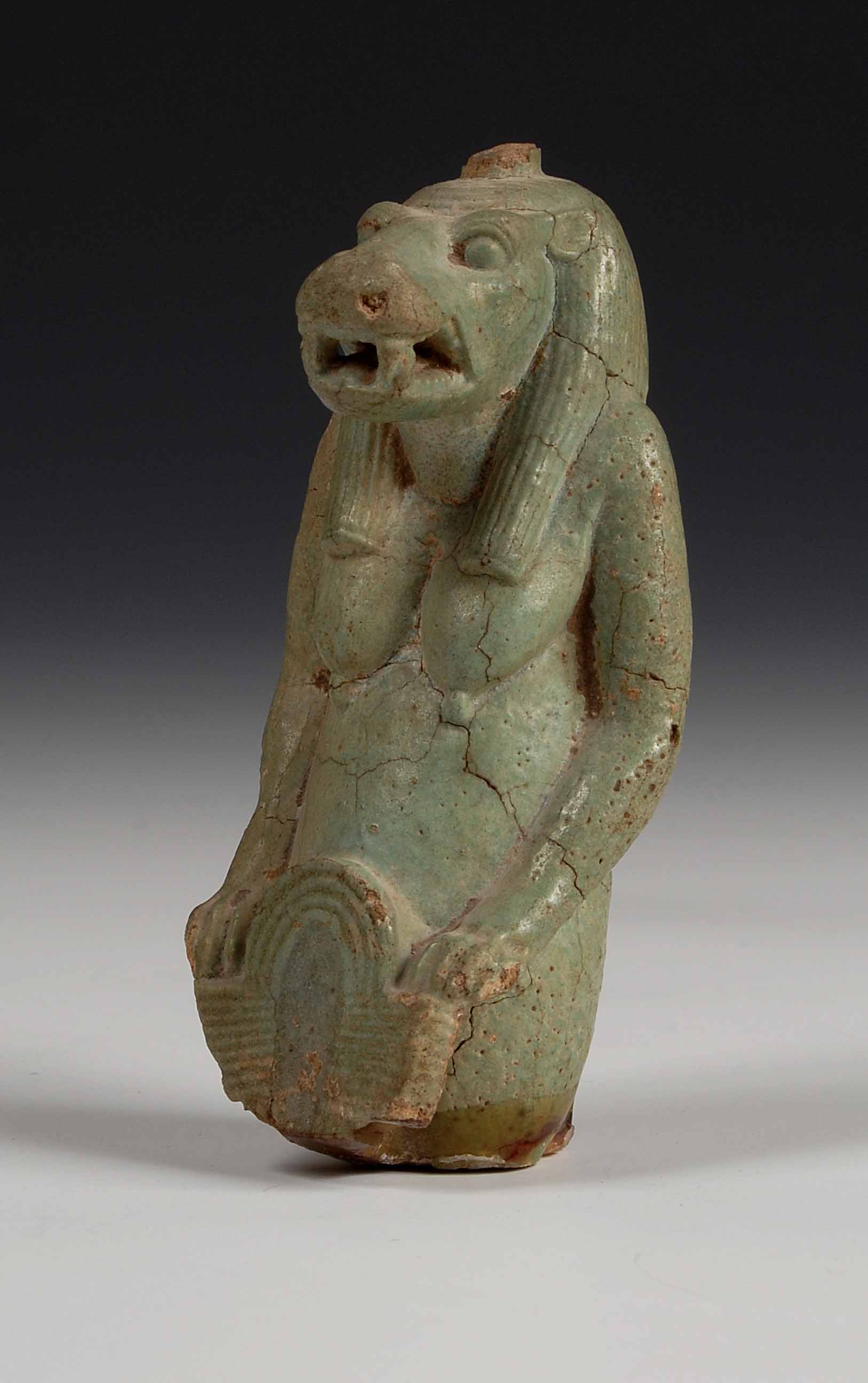
Tueris
Faience
7,4 cm
Late Period (715-332 b.C.)
N.R. 530.501
https://montserrat.sobrevia.net/arxiu_montserrat/museu/img/imgTxtGenerals/tueris-S_1_1832.jpg
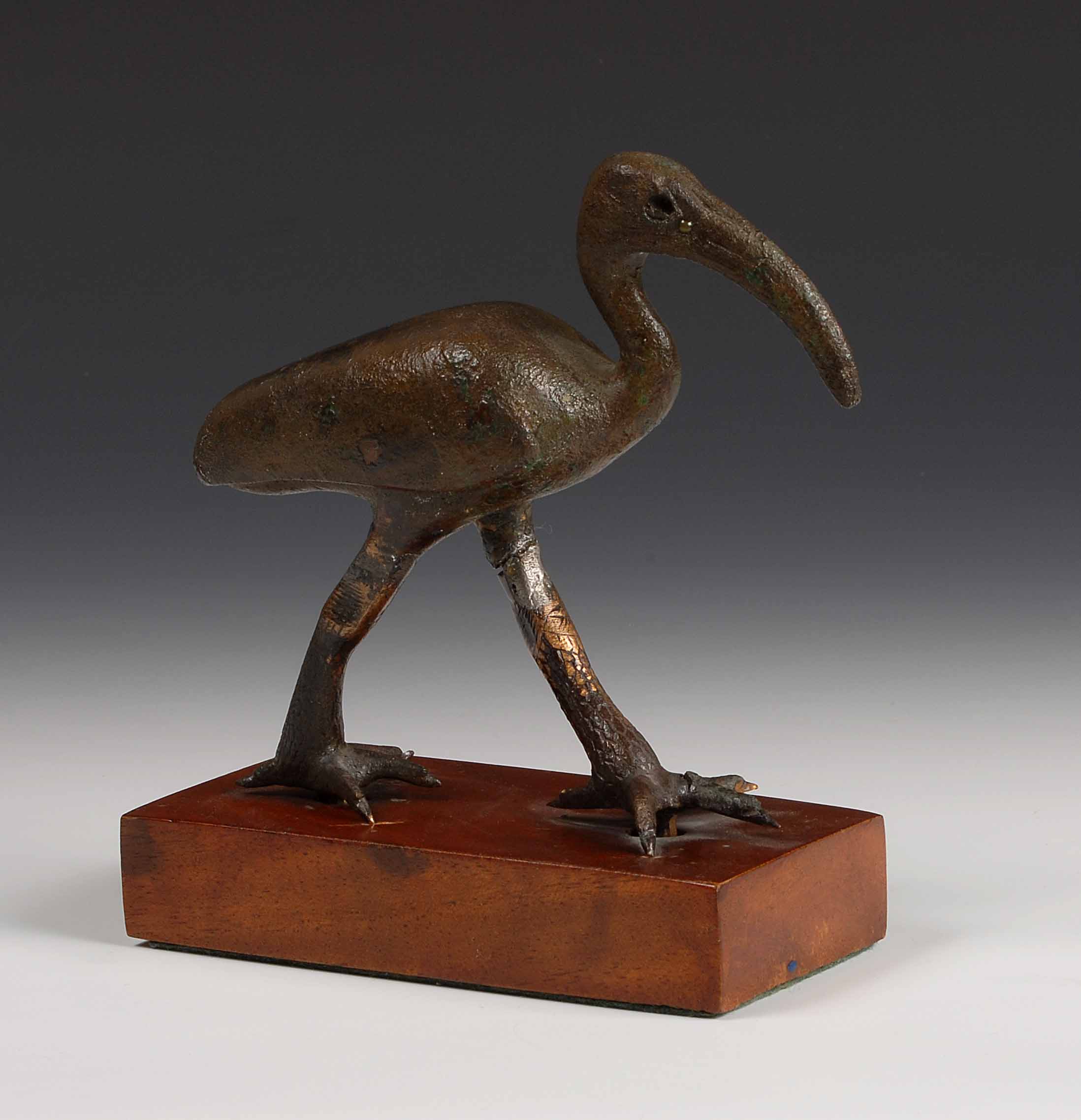
Toth
Bronze
10,9 cm
Late Period (715-332 b.C.)
https://montserrat.sobrevia.net/arxiu_montserrat/museu/img/imgTxtGenerals/ibis-S_1_1831.jpg
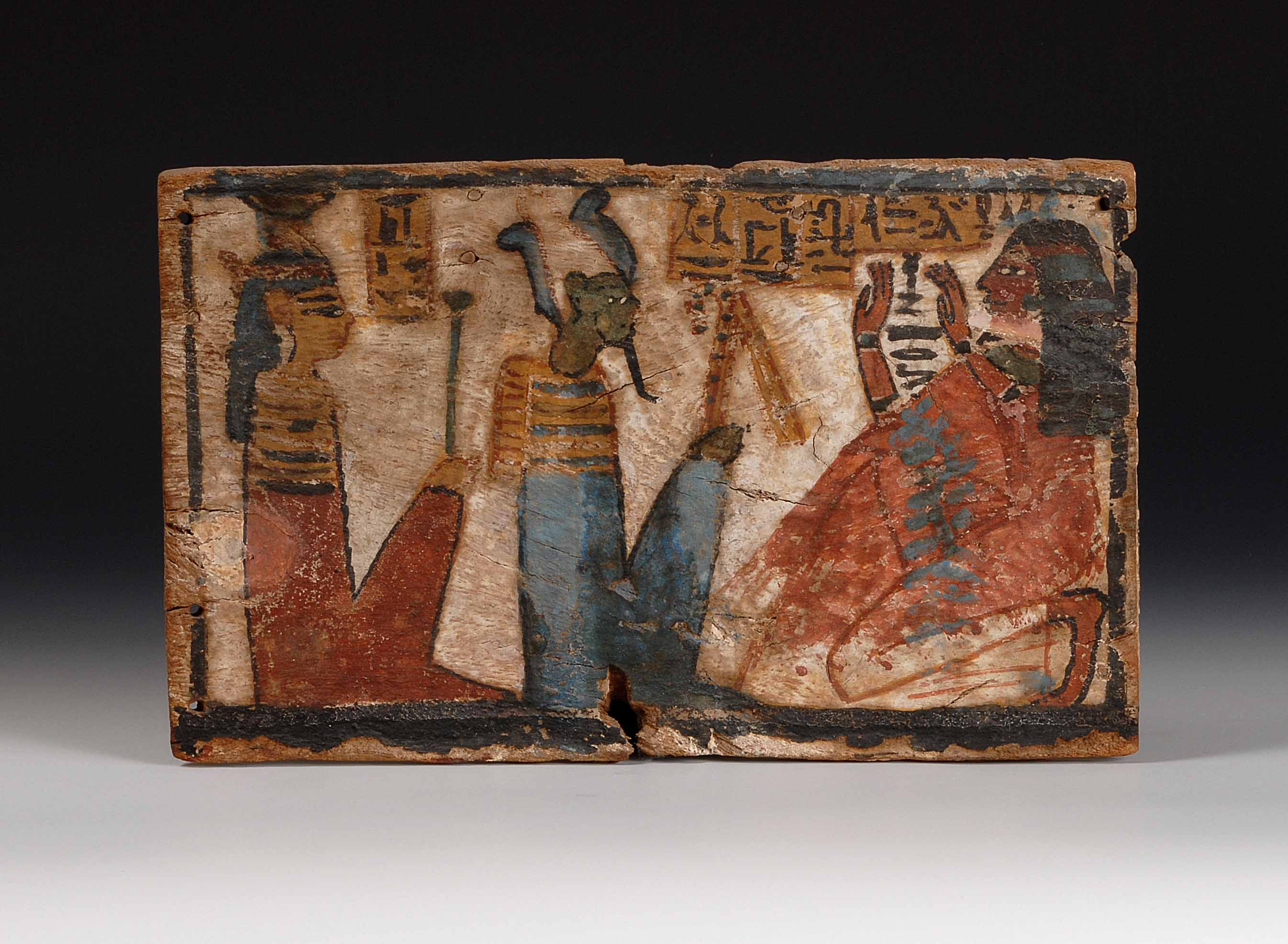
Decorated Panel
Polychrome wood
17 x 27 x 1,2 cm
XIX-XX dinasties (1320 – 1085 b.C)
N.R. 580.005
https://montserrat.sobrevia.net/arxiu_montserrat/museu/img/imgTxtGenerals/taula-decorada-S_1_1830.jpg
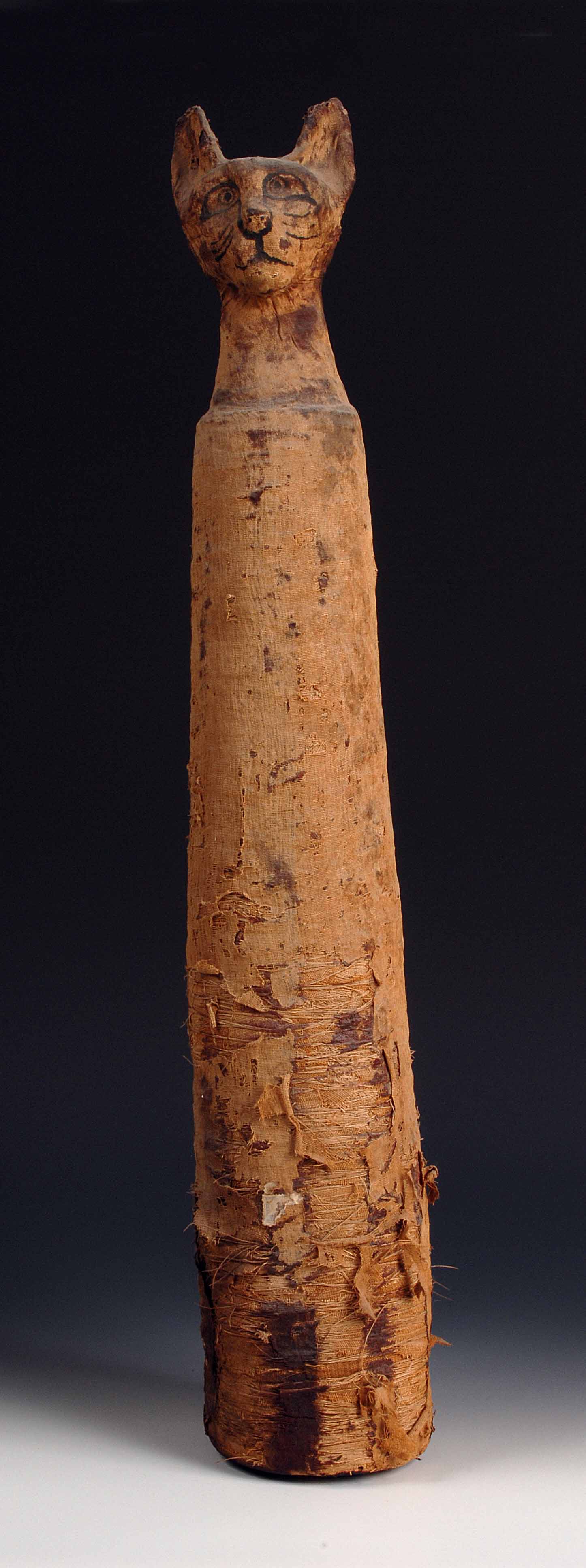
Cat mummy
23 cm
Greeko-roman period (332 b.C-395 a.C)
N.R. 630.003
https://montserrat.sobrevia.net/arxiu_montserrat/museu/img/imgTxtGenerals/momia-de-gat-S_1_1829.jpg
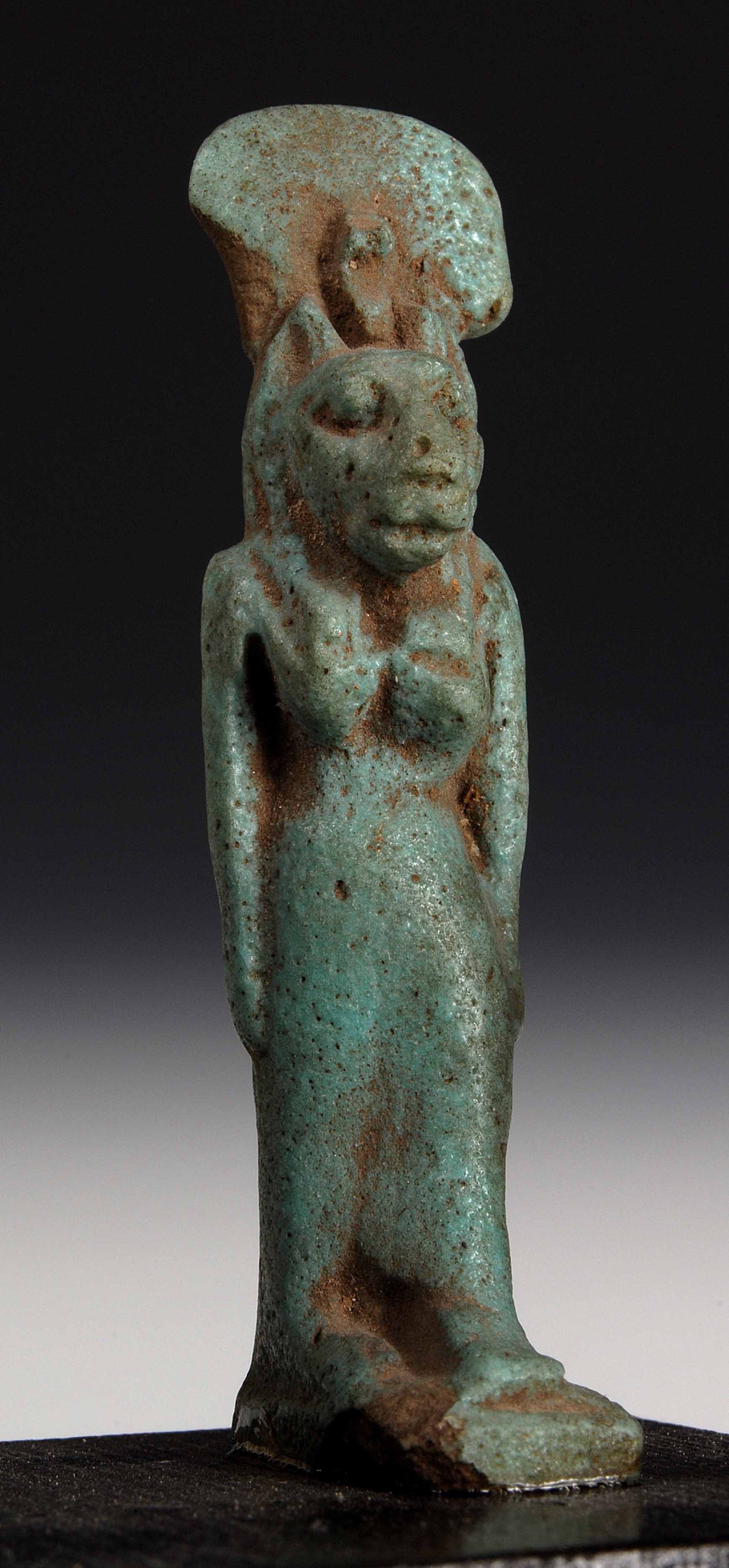
Sekhmet
Faience
5,4 cm
Late Period (715-332 b.C)
N.R. 538.401
https://montserrat.sobrevia.net/arxiu_montserrat/museu/img/imgTxtGenerals/sacmis-S_1_1828.jpg
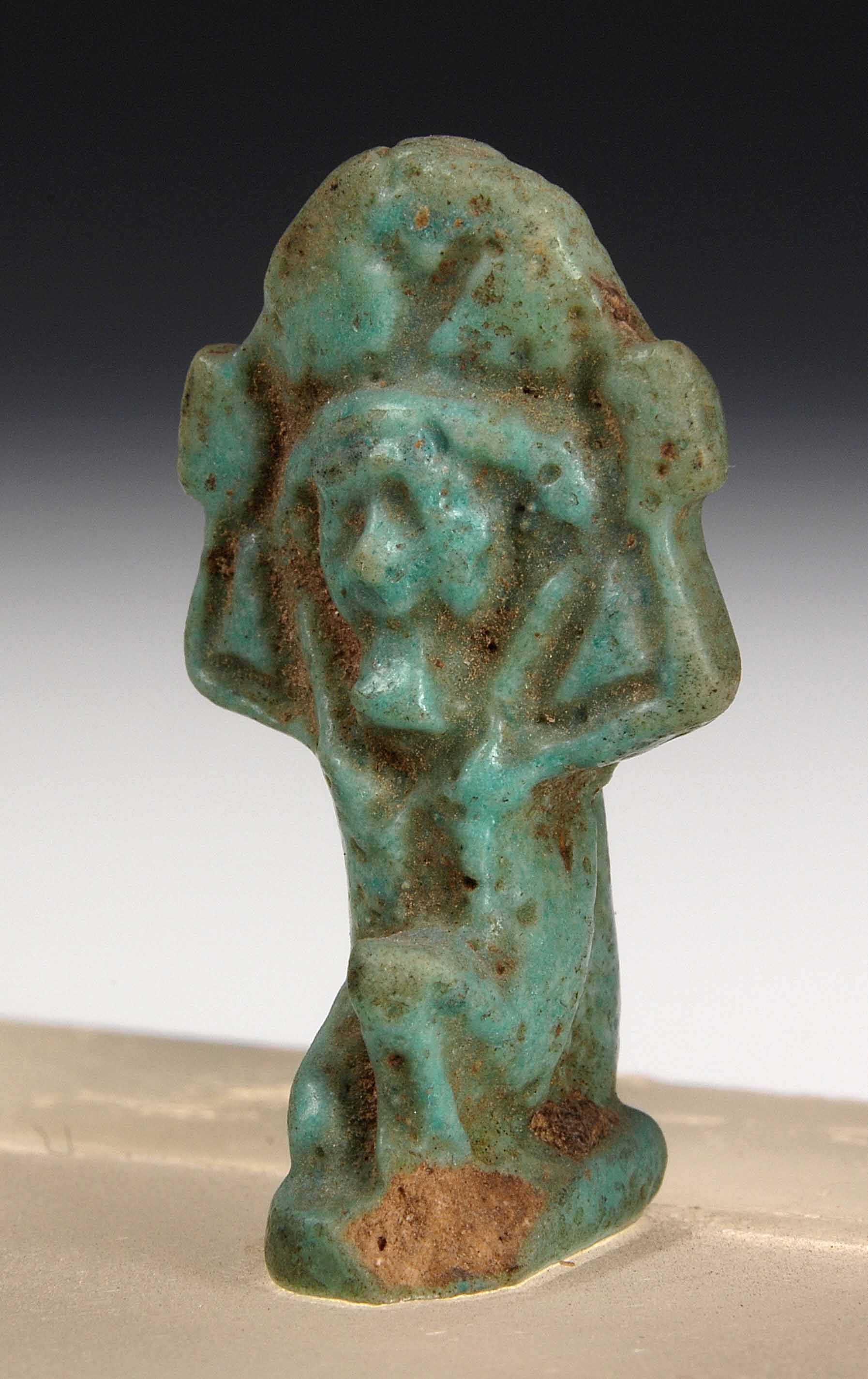
Shu
Faience
1,7 cm
Late Period (715-332 b.C)
N.R. 531.851
https://montserrat.sobrevia.net/arxiu_montserrat/museu/img/imgTxtGenerals/xu-S_1_1827.jpg
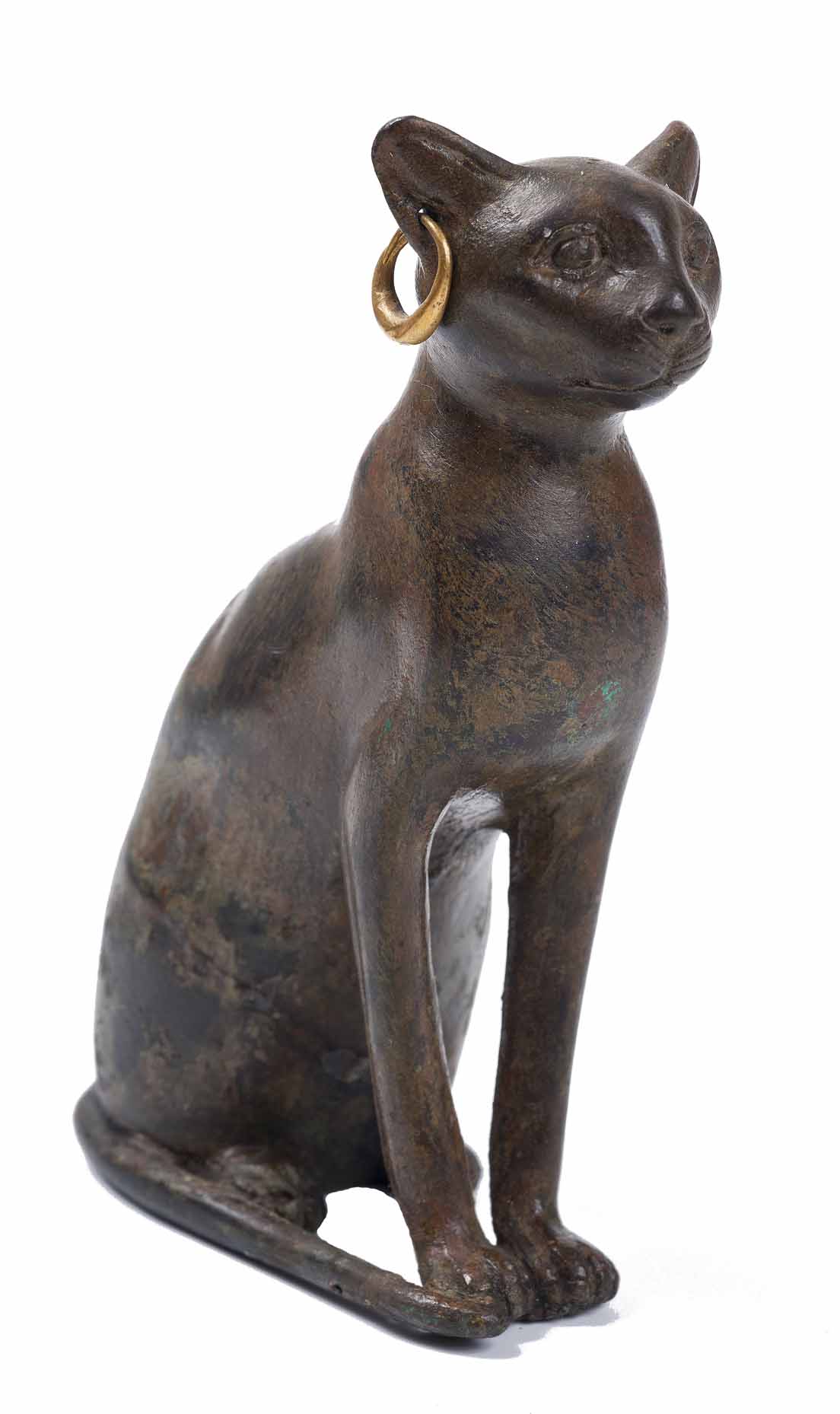
Bastet
Bronze
11,1 cm
Late Period (715-332 b.C)
N.R. 530.724
https://montserrat.sobrevia.net/arxiu_montserrat/museu/img/imgTxtGenerals/bastis-S_1_1826.jpg