

The Artist
Sean Scully is a giant of contemporary art, world-renowned. With his artistic intervention at Santa Cecília de Montserrat, consisting of six large mural paintings and eight stained-glass windows, the artist wished to express his friendship with the Monastery of Montserrat for all that this institution represents in his eyes and in those of many others: for its dimension of faith and spirituality, its activity in favor of culture, art, and music, and its commitment to human rights and freedom.
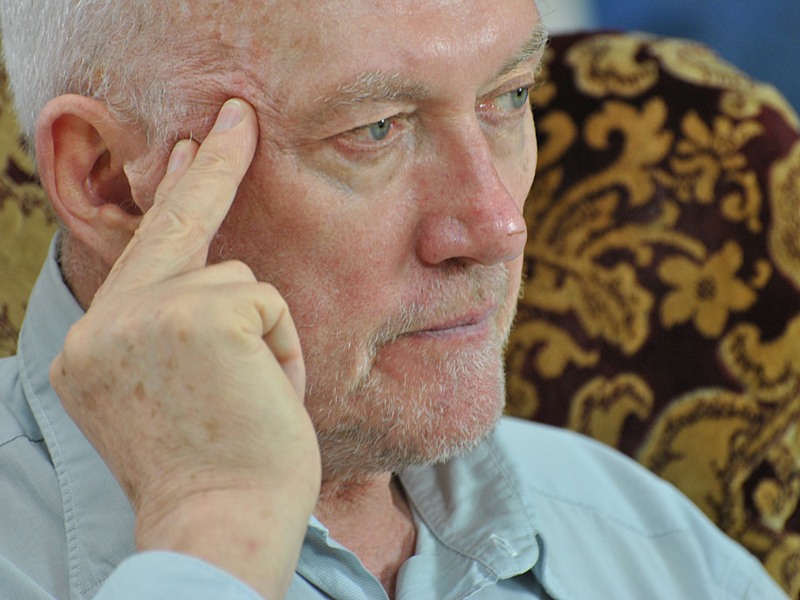
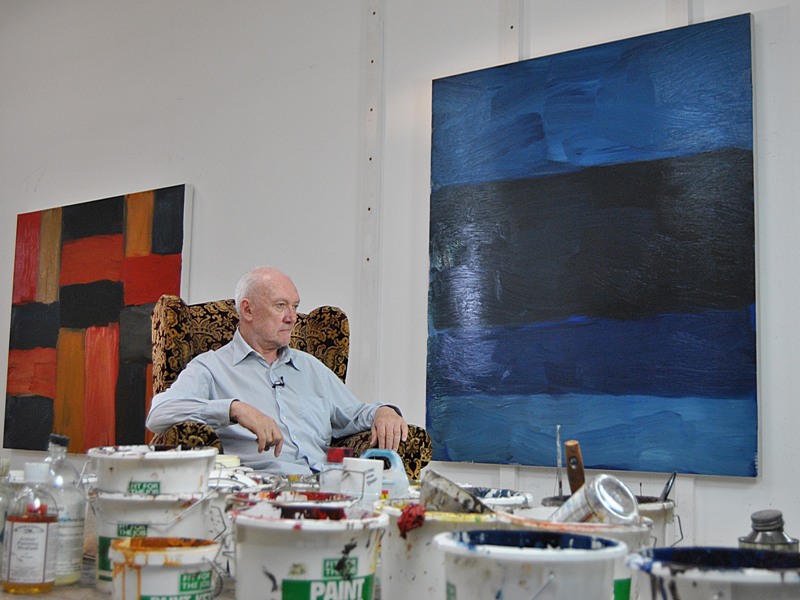
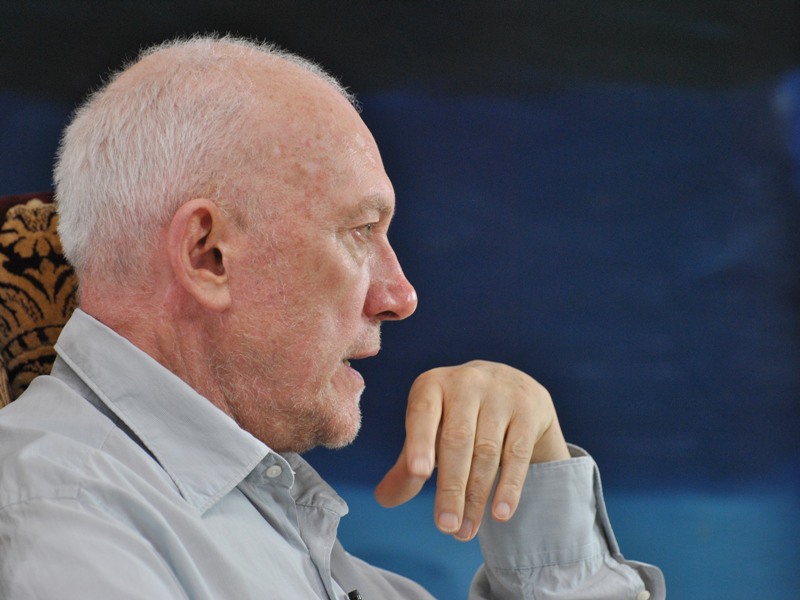
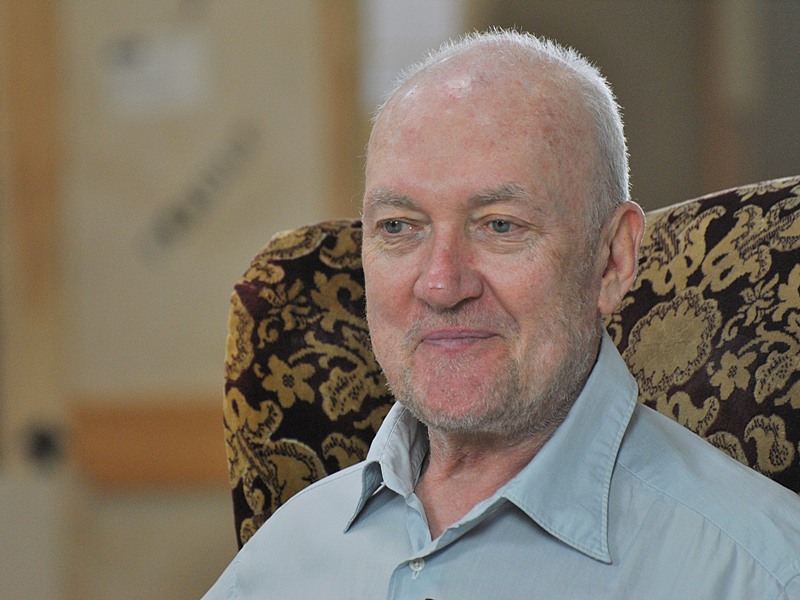
Sean Scully in his studio in Barcelona, June 2015
Sean Scully’s Very Personal Style
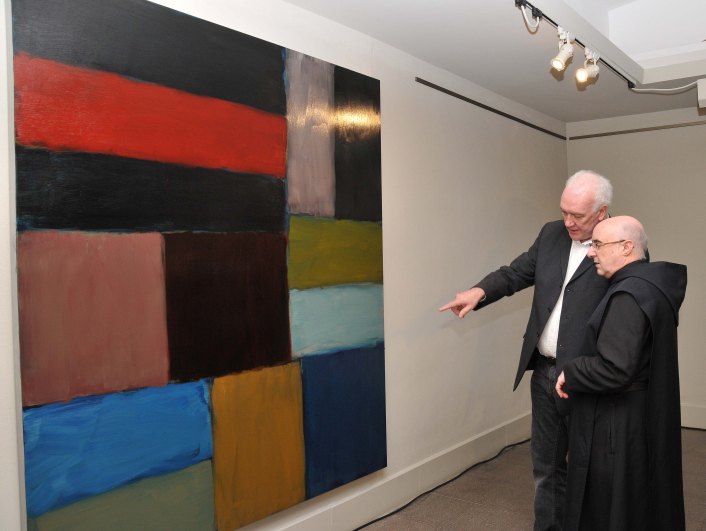
After experimenting with various approaches, always connected with the artistic avant-garde, by the early 1980s Sean Scully was forging a highly personal style of painting that defines and characterizes him, and which over time he has continued to deepen and refine. His expressive language consists of organizing sets of color bands and squares arranged architectonically, generally horizontally, forming infinitely variable chromatic rhythms and cadences, with boldly worked, vibrant colors achieved through multiple overlapping color layers.
The artist emphasizes that his painting has a deep physical component from which he constructs a geometric abstraction. He paints from what he has lived and what forms the deep strata of his life: his native Ireland, with its terraced fields and dry-stone walls made of juxtaposed stones, and he also evokes suburban life set against peeling walls, barricaded structures, and series of old, degraded doors and windows. His painting also reveals a marked metaphysical and spiritual dimension, which transcends the contingencies and surface of the visible world, loving it without destroying it, but with the longing to always go further in a passionate quest not devoid of emotion. «Abstraction –Scully often remarks– is the spiritual art of our time».
It is difficult to label his style and pigeonhole it within a specific school, but if we had to place it within the complex panorama of contemporary art, we could say it lies between Abstract Expressionism, Conceptual Art with its geometries, and Minimalism, through its drive toward essentialist simplicity. Nevertheless, Sean Scully’s overflowing personality and the substantial solidity of his art transcend any watertight compartments.
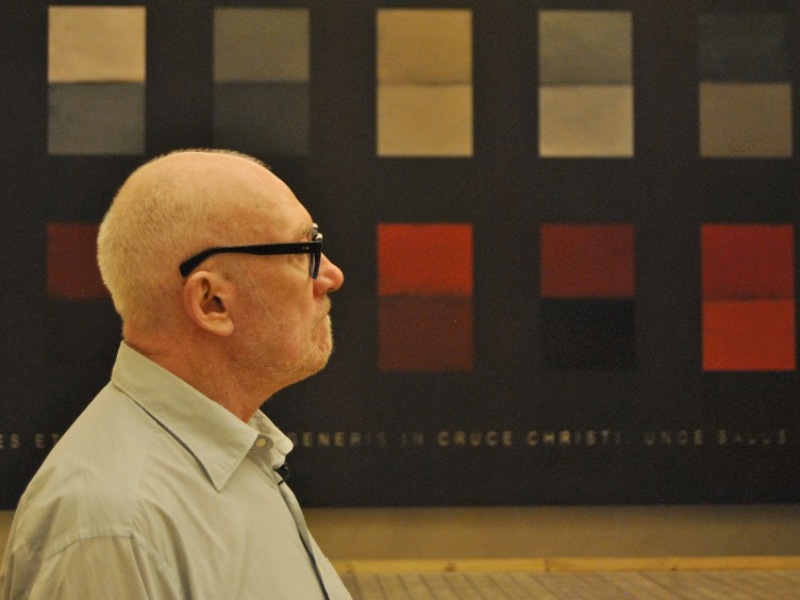
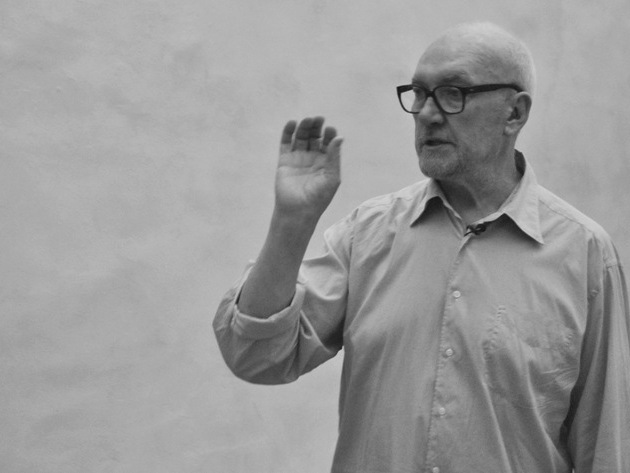
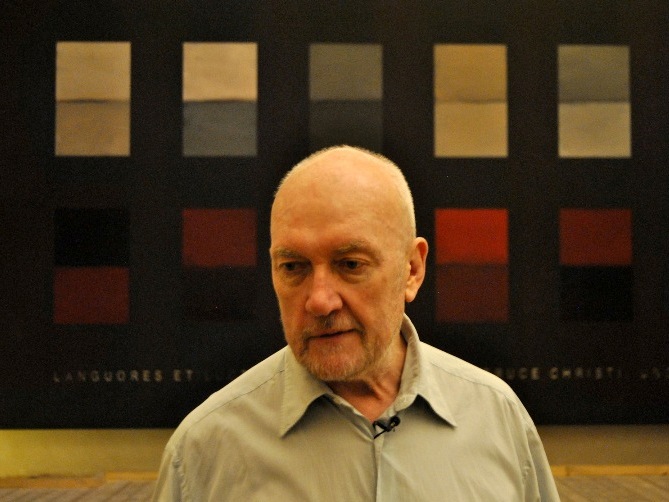
© Photos: Raül Maigí / Museu de Montserrat
Sean Scully at Montserrat
Modal title
Modal text
During the periods that Sean Scully spent in Barcelona starting in 1992, he made frequent excursions to Montserrat accompanied by his wife, Liliane Tomasko. He enjoyed walking along the mountain paths searching for the common threads of his life as an exile Irishman exploring his roots.
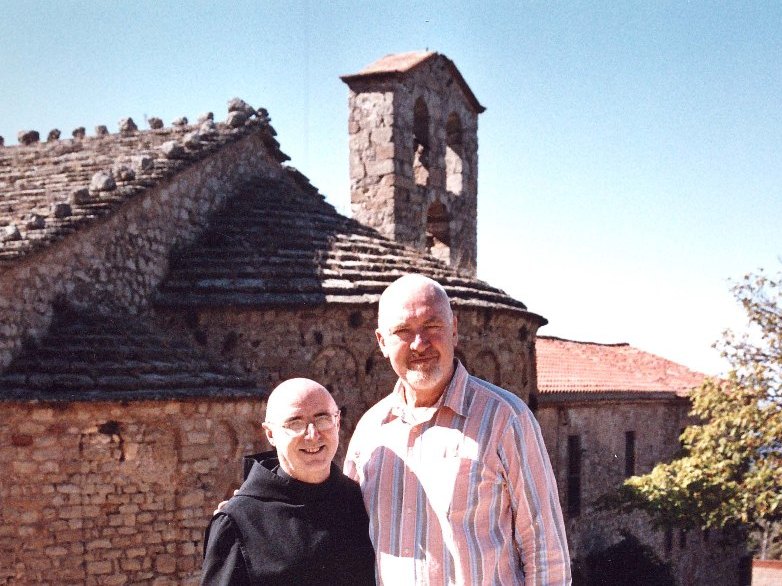
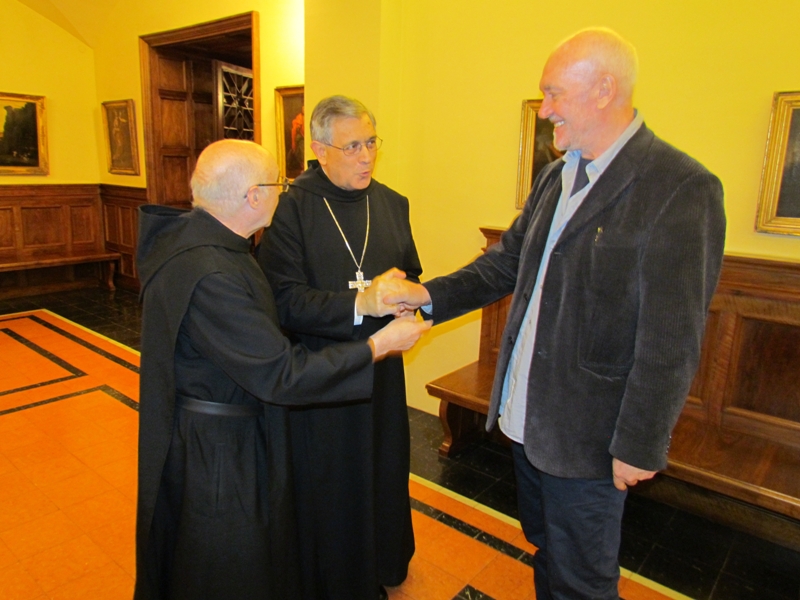
Through the press and his friends, he learned about the Monastery’s cultural activities and its role in Catalonia’s social life and in the struggle for democracy during difficult times. In the summer of 2005, through his Barcelona gallerist, Carles Taché, he got in touch with the Museum of Montserrat and established a close bond of friendship. Five years later, the museum’s director himself, Father Laplana, baptized Scully and Tomasko’s son, Oisin, at Montserrat. As a token of affection, the painter gave the museum an important painting titled Oisin’s Mountain.
During Sean Scully’s first visit to the Museum of Montserrat, the idea of painting in the church of Santa Cecília de Montserrat already emerged. Scully wanted to see the church and was instantly captivated. It was the ideal place to create something similar to what Henri Matisse had done in Vence, and especially what Mark Rothko, an American painter Scully loved and admired, had created at his chapel in Houston (Texas), but at Santa Cecília de Montserrat it would bear Sean Scully’s mark.
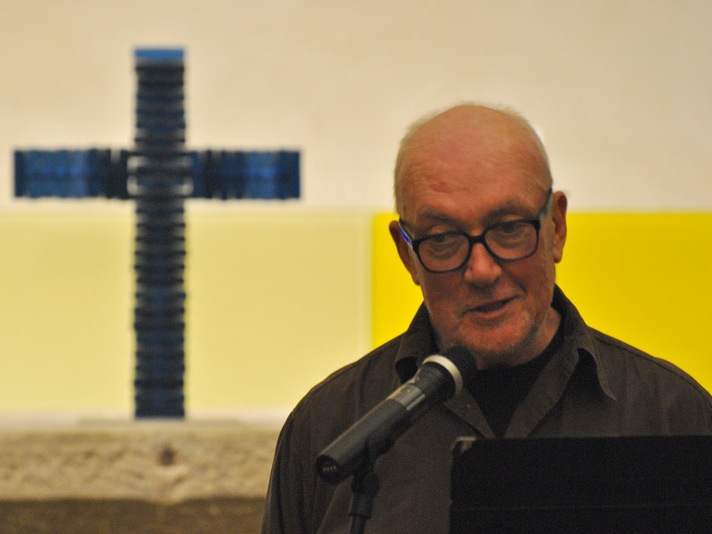
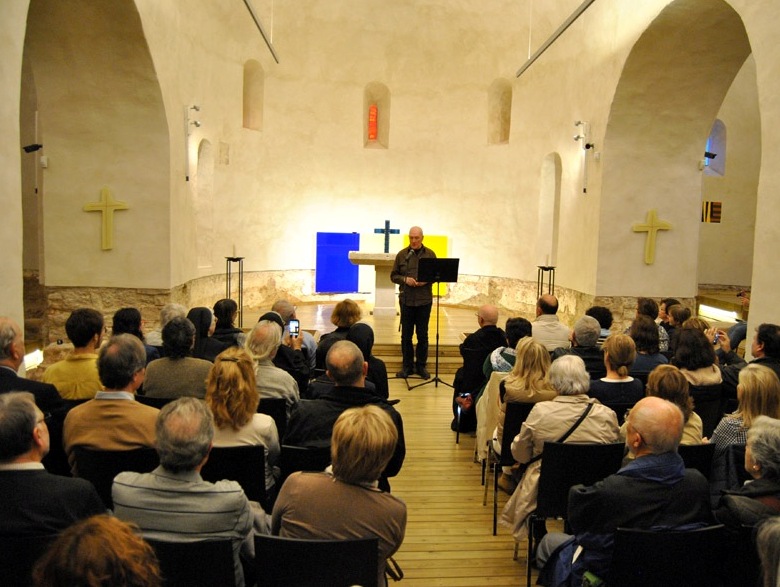
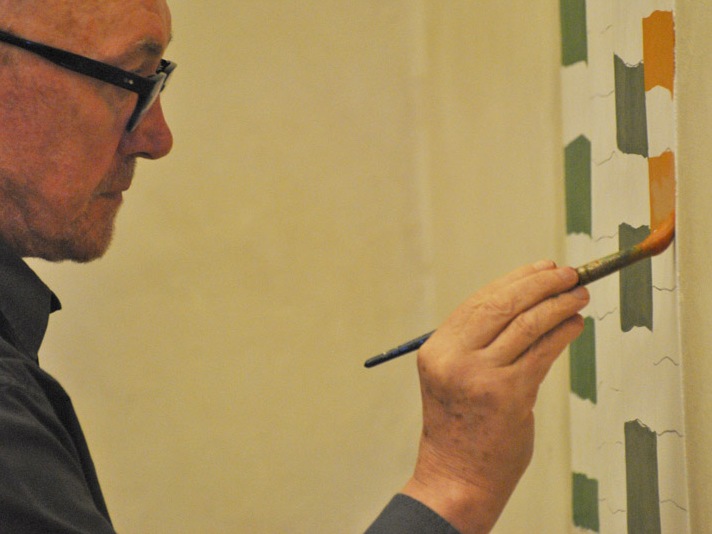
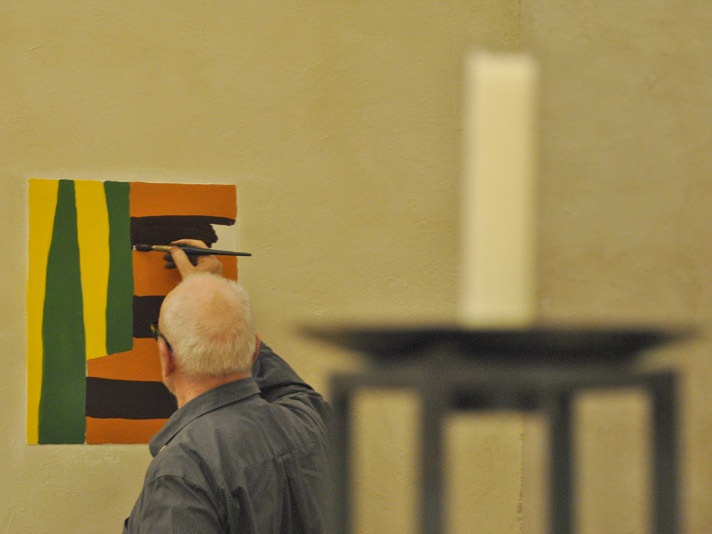
Scully at Santa Cecília, October 2015
Visit to Montserrat, 2014
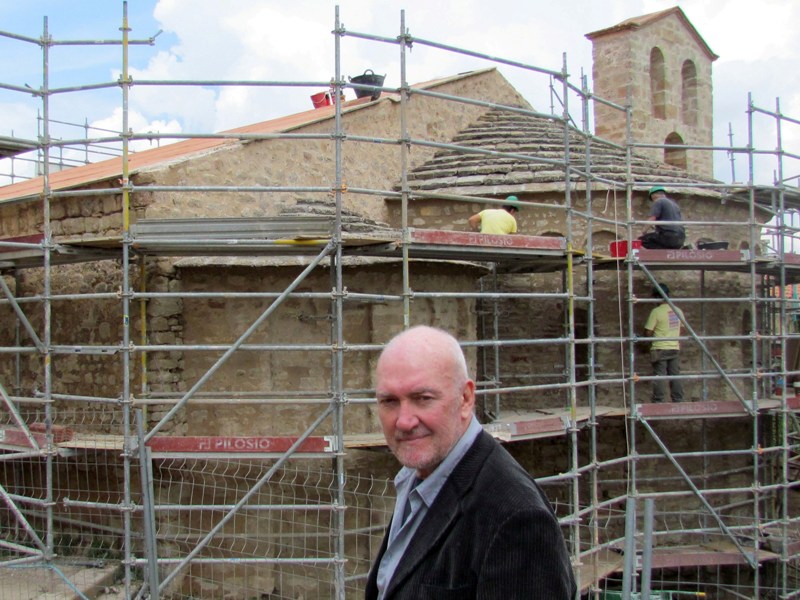
Video of the artist Sean Scully’s visit in June 2014 to the Museum of Montserrat and the restoration works at Santa Cecília.